


Why Knowing Your Options for Housing Programs Chicago Matters
Chicago offers a wide range of residential options. Finding a home in Chicago that fits your life can feel overwhelming. The city is large, and the programs are many.
Chicago has one of the most active municipal housing support systems in the country. The Chicago Housing Authority serves over 135,000 residents across the city. This guide breaks down major programs so you can better understand how city resources, nonprofit support, and residential opportunities connect.
Housing programs in Chicago can serve very different needs. Some focus on rental opportunities in professionally managed buildings. Others help residents navigate voucher-based housing, supportive housing, or opportunities tied to new residential development. There are also programs designed for first-time buyers who want to put down long-term roots.
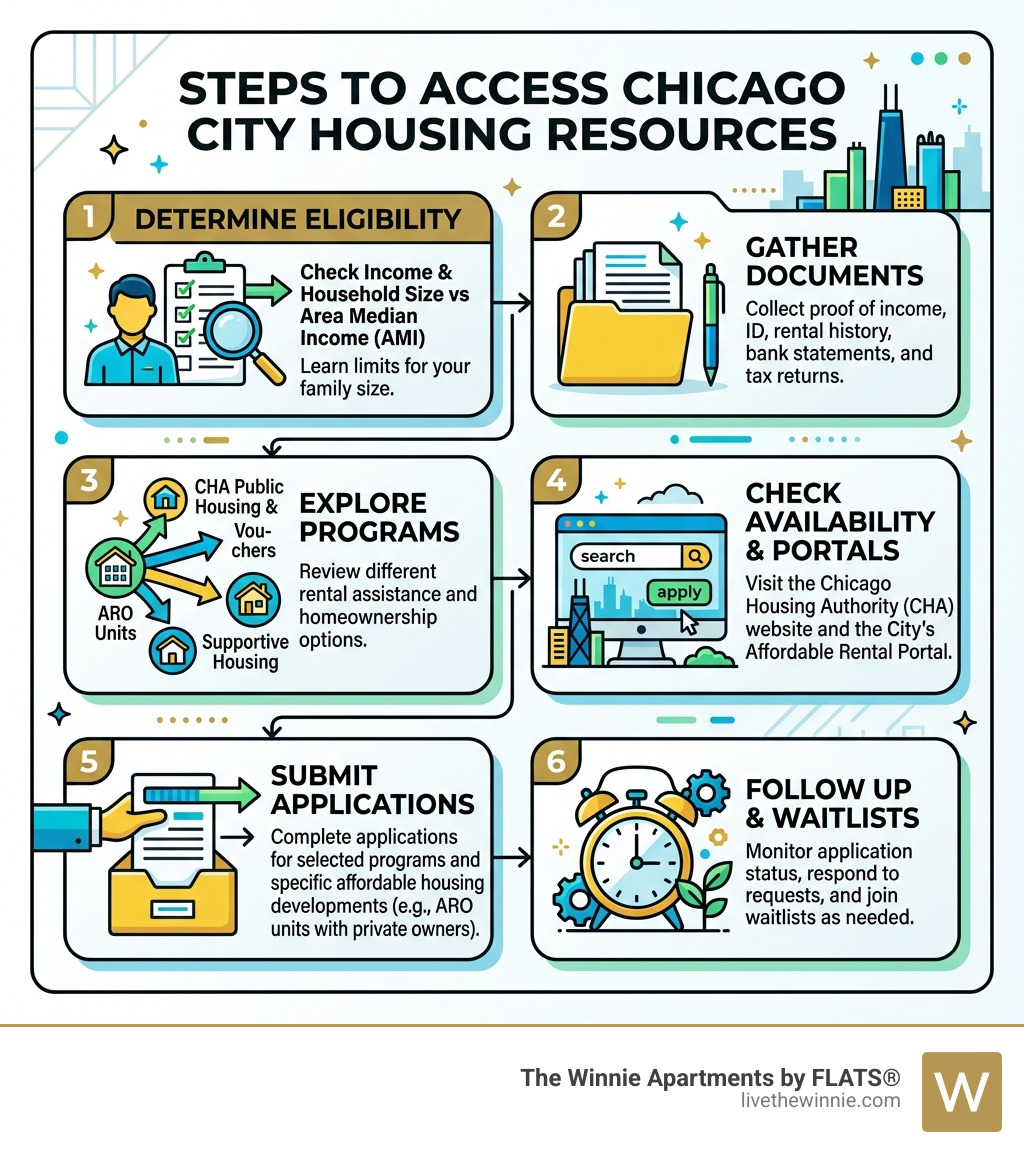
For many renters, the biggest challenge is simply knowing where to begin. Program names can sound similar, eligibility rules can vary, and application timelines may change. It helps to think of the process in steps: identify the type of housing you need, review the organization that manages the program, confirm the qualifications, and then gather the documents required for application or certification.
Chicago's housing ecosystem includes city departments, the Chicago Housing Authority, private property owners, and nonprofit providers. Each plays a different role. Some organizations manage waitlists, some certify eligibility, and some operate specific buildings or developments. Understanding who does what can save time and make the process easier to navigate.
This article is designed to provide a practical overview of the major pathways available. It also highlights useful public resources so readers can continue their search with reliable information. For anyone exploring a move within the city, especially those interested in well-connected communities like Uptown, having a clear picture of these programs can make the search feel much more manageable.
Navigating Housing Programs Chicago
When looking at residential opportunities in Chicago, and especially in Uptown, it helps to understand that each housing program has its own purpose and screening process. Navigating housing programs requires understanding specific criteria used to determine eligibility for different initiatives. These limits can change based on how many people live in your household and the type of unit being offered.

Some programs are administered directly by public agencies, while others are tied to privately owned residential communities that participate in city-supported initiatives. In either case, applicants are usually asked to verify identity, household composition, and income through a formal certification process. That process helps ensure that a household matches the requirements for the available home.
Another important point is that eligibility is not the same thing as immediate availability. A person may meet the requirements for a program or unit type, but still need to wait for an opening, complete documentation, or respond to follow-up requests within a set timeframe. Keeping records organized and checking listed resources regularly can make a meaningful difference.
Eligibility for Housing Programs Chicago
To qualify for these programs, households undergo a certification process. Specific benchmarks are used to determine eligibility for specific units within modern developments. These units offer high-quality finishes and access to the local community. In many cases, applicants should be prepared to provide pay stubs, tax returns, bank statements, photo identification, and documentation for all household members.
Certification may also involve third-party review by a compliance team or management office. Because policies can vary by property and program, it is always important to review the exact requirements listed for the unit you are interested in. For those looking for specific layouts, you can view specific unit details or find more info about accessible floorplans to see how these homes are designed for modern living.
Applicants should also remember that household size matters. A studio for one resident may have a different qualification framework than a one-bedroom for a larger household. If your employment, household composition, or documentation has changed recently, it is a good idea to confirm what version of your records is required before submitting paperwork.
Resources for Housing Programs Chicago
The City of Chicago Department of Housing (DOH) is the central hub for many of these initiatives. They work to build, rehabilitate, and preserve housing options across the city. If you have questions about specific city-backed programs, you can reach the DOH at 312-744-3653 or email them at DOH@cityofchicago.org.
To make your search easier, the city maintains an Official Rental Resource List which includes a public dataset of supported developments. Additionally, the Chicago Housing Authority allows you to search available properties directly through their portal.
These public tools are especially useful because they help organize the search in one place. Instead of relying on scattered listings, renters can review developments, identify participating properties, and learn more about who to contact. It is also wise to verify deadlines, waitlist status, and any document requirements before applying.
For Uptown renters, combining city resources with direct outreach to professionally managed buildings can create a more complete search strategy. That approach can help you compare available floor plans, location benefits, accessibility features, and the type of application process each property uses.
Primary Organizations and Housing Support
The Chicago Housing Authority (CHA) is a pillar of support in the city. Serving over 135,000 residents, the CHA operates across community areas, helping connect residents with stable housing opportunities in many parts of Chicago.
One of the CHA's best-known tools is voucher-based support that allows participants to look for housing in the private market with participating property owners. This approach gives households flexibility because the housing itself is not limited to one CHA-owned building. For those exploring these options, it's helpful to look for more info about local housing options that participate in these programs.
The CHA also manages public housing, waitlists, and property information through its online resources. For applicants, that means the CHA may play several roles at once: administrator, information source, and point of contact for updates. Anyone using the system should keep their mailing address, phone number, and email current so they do not miss notices or deadlines.
Beyond the CHA, the Chicago Housing Trust Fund plays a vital role. This fund is supported by fees from private developers. To date, this initiative has helped create or preserve more than 2,700 units across 31 developments citywide. This fund provides annual support to approximately 2,700 residents, helping preserve long-term housing opportunities as the city continues to evolve.
Another useful way to think about Chicago's housing support network is by function. Public agencies often set rules, issue funding, or manage program administration. Property owners and managers handle leasing and unit-level application steps. Nonprofit organizations may provide counseling, supportive services, or specialized case management. When renters understand which organization is responsible for which part of the process, it becomes much easier to ask the right questions and move forward efficiently.
For residents interested in Uptown, this structure matters because neighborhood-based searches often involve both citywide resources and direct property research. Looking at official CHA and city tools while also reviewing available apartments in Uptown can help narrow options based on location, transit access, and day-to-day lifestyle needs.
Pathways to Homeownership and Residential Grants
Chicago also offers pathways for those looking to purchase a home. Homeownership can support long-term neighborhood stability and create more options for households who want to remain in the city over time.

Building Neighborhoods and Homes
The program provides grants to help buyers purchase newly constructed single-family homes. These homes are built on city-owned land through specific redevelopment agreements. The grant amounts are tiered based on specific criteria and whether you already live in the neighborhood. The main requirement is that you must live in the home as your primary residence for at least 10 years. You can find full Building Neighborhoods and Homes Program details on the city's official site.
Programs like this are important because they do more than assist individual buyers. They also support residential development on underused city land and help expand the range of ownership opportunities available in Chicago. For buyers, the structure of the program means that eligibility, occupancy rules, and long-term compliance all matter just as much as initial approval.
Anyone considering this path should review the full program guidance carefully. Requirements may include homebuyer education, mortgage qualification, occupancy timelines, and documentation related to household eligibility. Because these rules can change, the city website remains the best source for current terms.
Chicago has also promoted broader development efforts tied to new construction and neighborhood reinvestment. These initiatives can create additional ownership pathways for households seeking newly built homes within city limits. While rental housing is often the first step for many residents, homeownership programs remain an important part of the larger housing landscape.
For residents currently renting in neighborhoods such as Uptown, understanding these ownership pathways can be useful even if purchasing is a future goal rather than an immediate one. Knowing what programs exist today can help households plan ahead, track eligibility, and identify which next steps may make sense over time.
Specialized Support for Various Populations
A truly inclusive city ensures that everyone has a place to call home. Several specialized housing programs are designed around different support needs, recognizing that not every resident is looking for the same type of housing or services.
Thresholds is a provider of supported housing in Illinois. They offer a range of options for single adults. Their programs include:
- Group Homes: Featuring staffing and shared living spaces.
- Supported Apartments: Units with staff visits.
These models can be especially helpful for residents who benefit from a combination of housing and coordinated support services. In some cases, providers work closely with health and social service partners so residents can access care while maintaining greater stability in their day-to-day living environment.
For older Chicago residents, there are dedicated resources such as HUD Senior Housing Chicago which provide age-specific residential settings with tailored features and services.
Veterans and individuals with disabilities also benefit from targeted developments. For instance, Torrence Place and Prairie Haus were made possible through the Housing Program General Fund. These developments often integrate healthcare services and early childhood education on-site, creating a more comprehensive living environment.
Accessibility is another major part of specialized housing support. Depending on the building and provider, residents may find features such as step-free access, adapted layouts, communication accommodations, or connections to case management and community-based services. These details matter because the right home is not only about location. It is also about whether the living environment matches a household's practical needs.
When researching specialized housing options, it helps to ask clear questions about unit features, service coordination, and application steps. Public agencies, nonprofit providers, and property managers may each handle different parts of the process, so understanding who oversees eligibility and who oversees day-to-day operations can make the search more straightforward.
Frequently Asked Questions about Chicago Housing
How do I check my status on the housing waitlist?
If you have applied for CHA housing, you can check your status through the CHA's online portal. It is important to keep your contact information updated to ensure you receive notifications.
What are the requirements for designated units?
Requirements tied to designated units can vary based on household size and updated program charts. Because these figures are reviewed and published according to current standards, the best approach is to confirm the latest requirements with the property or program administrator before applying. This is especially important if your household size has changed or if you are comparing more than one development.
Are there grants available for first-time buyers in Chicago?
Yes. Programs offer assistance for newly constructed homes on city land. Additionally, many state-level programs through the Illinois Housing Development Authority (IHDA) offer assistance for first-time buyers.
What documents are commonly needed during the application process?
Requirements vary, but applicants are often asked for photo identification, recent pay documentation, tax records, asset information, and documents showing who will live in the home. Some properties or programs may request additional materials, so it is helpful to review the application checklist in advance.
Where should I start if I want to live in Uptown?
A practical first step is to review city and CHA resources, then compare them with available professionally managed apartments in Uptown. That approach can help you understand both program-based opportunities and neighborhood-specific options as you narrow your search.
Conclusion
Finding a place that feels like home should not be a confusing process. Chicago's wide range of housing programs reflects a city working to support community growth, housing access, and long-term neighborhood stability. Whether you are looking for rental opportunities, supportive housing, or a future path to homeownership, the right starting point is understanding which programs match your needs and where to find reliable information.
For renters who want to be in Uptown Chicago, it can be especially helpful to pair city resources with direct research into local residential communities. That makes it easier to compare floor plans, building features, application requirements, and proximity to everyday conveniences like transit, dining, and neighborhood destinations.
At The Winnie Apartments, we are proud to be part of the Uptown Chicago community. We offer modern studio and one-bedroom apartments that prioritize comfort and convenience. Our community welcomes pets and provides easy access to the local attractions that make Uptown one of the most connected and engaging places to live in the city. If you are starting your search, a great first step is looking for Apartments Near Me to see what's available right now in our neighborhood.
With the right information and a clear search strategy, navigating Chicago housing resources can feel much more manageable. Exploring official city tools, reviewing property-specific details, and focusing on the neighborhoods that fit your lifestyle can help you move forward with confidence.