


Understanding Safety in Uptown: What You Need to Know
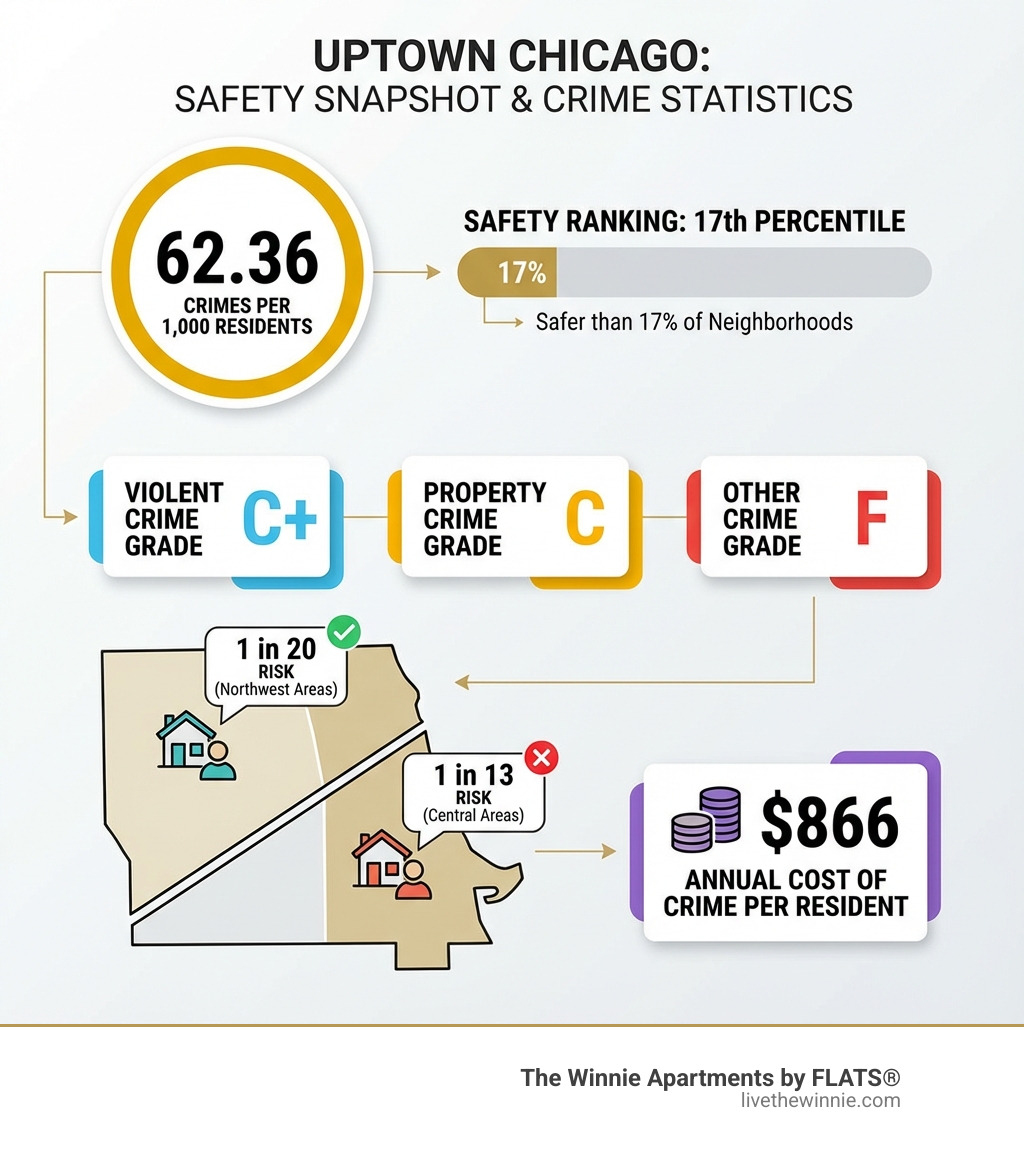
Is the Uptown neighborhood in Chicago safe? The answer is nuanced. Uptown has a crime rate of 62.36 per 1,000 residents, which ranks it in the 17th percentile for safety—meaning it's safer than 17% of neighborhoods but less safe than 83%. However, safety varies significantly by area within Uptown, with the northwest sections generally considered safer than central and southeast areas.
Quick Safety Overview:
- Crime Rate: 62.36 per 1,000 residents
- Safety Ranking: 17th percentile (safer than 17% of neighborhoods)
- Violent Crime: Grade C+ (similar to Chicago average)
- Property Crime: Grade C (similar to Chicago average)
- Geographic Variation: Risk ranges from 1 in 20 in northwest areas to 1 in 13 in central zones
- Cost of Crime: $866 per resident annually ($402 above national average)
If you're considering a move to this North Side neighborhood, understanding the full picture matters. Uptown is a densely populated urban area with nearly 60,000 residents. Like most large city neighborhoods, it experiences crime—but it also offers exceptional walkability, cultural diversity, and lakefront access.
The data tells one story. But numbers alone don't capture what it's like to actually live here. Crime statistics need context about where incidents occur, what types are most common, and how residents experience daily life. Parts of Uptown see significantly less crime than others, and understanding these variations helps you make informed decisions about where to look for housing and how to steer the area.
This guide breaks down the statistics, explores resident experiences, and provides practical information to help you evaluate whether Uptown fits your lifestyle and comfort level.
Understanding the Numbers: A Look at Uptown's Crime Statistics
When we talk about whether is the Uptown neighborhood in Chicago safe, we often turn to statistics. The overall crime rate in Uptown stands at 62.36 incidents per 1,000 residents in a typical year. This places Uptown in the 17th percentile for safety, meaning it's considered safer than 17% of neighborhoods across the nation, but less safe than a substantial 83%. While this might sound concerning, it's crucial to dig deeper into what these numbers represent.
Breaking down the types of crime, Uptown receives a C+ grade for its Violent Crime Rate, which is estimated at 4.425 per 1,000 residents. This grade suggests that violent crime levels are comparable to the average for a U.S. neighborhood. For Property Crime, Uptown scores a C grade with a rate of 24.91 per 1,000 residents. However, the "Other Crime Rate" receives an F grade, indicating a significantly higher rate at 33.03 per 1,000 residents. This "D" overall grade means the rate of crime is higher than that of the average U.S. neighborhood.
To provide more context, let's look at how Uptown's crime rates compare to national averages for specific categories. While the data for Chicago and national averages are typically reported per 100,000 residents, we can use the provided figures to understand the relative risks.
| Crime Type | Uptown (per 100,000 residents) | National Average (per 100,000 residents) |
|---|---|---|
| Assault | 435.3 | 282.7 |
| Murder | 14.5 | 6.1 |
| Robbery | 253.9 | 135.5 |
| Burglary | 241.2 | 500.1 |
| Theft | 1,744.7 | 2,042.8 |
| Motor Vehicle Theft | 194.1 | 284 |
As you can see, Uptown shows higher rates for violent crimes like assault, murder, and robbery compared to the national average. Conversely, property crimes such as burglary and motor vehicle theft are lower than the national average, though theft is only slightly lower. This detailed breakdown helps us understand the specific challenges and relative safety aspects within the neighborhood. For more granular data and licensing information, you can explore resources like USA crime data and licensing and the FBI Source.
What are the Most Common Types of Crime in Uptown?
Based on the available statistics, property crimes, particularly theft, are quite common in Uptown. While the rate of theft is slightly below the national average, it remains a significant concern, contributing to the overall property crime grade of C. Motor vehicle theft also occurs, though its rate is below the national average.
The "Other Crime Rate" receiving an F grade suggests a high prevalence of crimes that fall outside the violent and traditional property categories. While the research doesn't explicitly list all types, "Other Crime" costs include significant amounts attributed to vandalism, drug crimes, identity theft, and even arson.
When it comes to violent crimes, assault and robbery are more frequent in Uptown than the national average. Murder rates are also notably higher. This highlights specific areas where residents and visitors need to be particularly vigilant.
What is the 'Cost of Crime' in Uptown?
The impact of crime extends beyond individual incidents; it carries a significant economic burden, often referred to as the 'Cost of Crime.' For Uptown, the total projected cost of crime for 2025 is estimated at a staggering $33,904,212. This figure represents the tangible costs associated with crime.
More specifically, the Cost of Crime per resident in Uptown is $866 per year. To put this in perspective, this amount is $402 more than the national average and $446 more than Chicago's city average. These tangible costs are primarily divided among the criminal justice system (57.5%), direct costs to victims (30.4%), and the lost economic contribution from offenders (12.1%).
Beyond the tangible costs, there's also an immense intangible cost, primarily encompassing the pain and suffering endured by victims and the community. This intangible cost is estimated at $86,737,206, translating to $2,216 per resident. When we combine both the tangible and intangible aspects, the total estimated cost of crime in Uptown reaches $120,641,418, or $3,082 per resident annually. This shows that crime has a profound and far-reaching impact on the community, affecting not just safety but also economic well-being and quality of life.
A Neighborhood of Contrasts: Is the Uptown Neighborhood in Chicago Safe?
The question of whether is the Uptown neighborhood in Chicago safe truly depends on where you are standing. Uptown is a large, diverse neighborhood, and safety perceptions and statistics vary considerably from one block to the next.

Geographic variations in crime are a key aspect of understanding Uptown's safety. For instance, residents generally consider the northwest part of the neighborhood to be the safest, where your chance of being a victim of crime is about 1 in 20. This area often feels quieter and more residential.
In contrast, central areas see a higher risk, with the chance of being a victim rising to 1 in 13. The southeast parts of Uptown experience the most incidents, with approximately 773 total crimes reported per year. Interestingly, the southwest part of the neighborhood has the fewest incidents, with around 55 crimes annually. This stark difference highlights the importance of understanding specific micro-locations within Uptown. You can explore a detailed map of the area here: Uptown Chicago Neighborhood Map.
It's also important to consider factors that can influence crime data. Areas with high visitor traffic, such as retail establishments or major transportation hubs, often show higher crime rates. This isn't necessarily because residents are in more danger, but because more incidents occur where more people gather. Similarly, parks and large public spaces, while wonderful amenities, can sometimes appear as high-crime locations due to the sheer volume of visitors and the lower resident population in those specific zones. For example, the central part of Uptown has more retail establishments, which can contribute to higher reported incidents.
What Are Residents' Personal Experiences and Perceptions of Community Well-being?
Beyond the raw numbers, resident experiences and perceptions paint a more nuanced picture of safety in Uptown. The overall sentiment is often mixed, reflecting the neighborhood's diverse character. Some residents describe Uptown as vibrant and full of character, enjoying its proximity to the lake, diverse dining options, and lively entertainment scene. They might view it as generally safe for singles and families, especially if they are accustomed to city living.
However, others express significant safety concerns, particularly regarding specific areas or walking alone at night. We've heard residents describe parts of Uptown as "rowdy" or "loud," with occasional arguments or fights. Some mention encountering "druggies and people up to no good" on corners or bus stops, and hearing about shootings. Yet, these accounts often come with the caveat that such experiences are common in large urban areas, and many find Uptown manageable if they remain aware of their surroundings.
A survey of residents revealed that 50% feel "pretty safe" with some safety concerns, and 36% feel "somewhat safe" with noticeable concerns. Only 5% feel "very safe," while 9% feel "not safe." This indicates that while a majority of residents feel a degree of safety, there's also a significant portion who have legitimate concerns. The dense, urban feel of Uptown means there's always a lot of street-level activity, which can contribute to both a lively atmosphere and a sense of unease for some.
Are There Specific Concerns for Walking at Night or Taking Public Transportation?
Walking at night and using public transportation are common concerns in any urban environment, and Uptown is no exception. Our research indicates that the nighttime crime level (between 10 PM and 6 AM) in Uptown is rated as "very high" (D-), making it quite unsafe to be outdoors during these hours. This aligns with national trends showing that violent crimes, such as robberies and murders, significantly increase at night, with incidents of rape and aggravated assault occurring more frequently.

Despite these statistics, Uptown boasts an "Excellent Transit Score" (ranging from 77 to 81, depending on the source), thanks to its CTA Red Line stations (Wilson, Lawrence, Argyle) and extensive bus network. For many residents, public transportation is a lifeline. While the Red Line is a convenient way to get around Chicago, specific stations or stretches might feel less secure at night. Some residents advise caution around particular intersections like Wilson and Broadway or east of Clark on Wilson/Lawrence after dark.
Tips for personal awareness are crucial here. We recommend being highly vigilant, walking with purpose, and avoiding distractions like constantly looking at your phone. If possible, walk with a friend or in a group, especially when returning home late. Utilizing trusted ride-sharing services can also be a good option. For those living in apartments near these transit hubs, choosing a building that prioritizes resident safety, such as those with controlled access, can provide an extra layer of peace of mind. You can learn more about public transport friendly apartments at Public Transport Friendly Apartments.
Proactive Measures and Available Resources
Navigating city life in Uptown means being proactive about personal and home security. While no neighborhood is entirely crime-free, we can take steps to improve our safety and peace of mind.
For home security, many modern apartment buildings, including those offered by The Winnie, feature controlled access systems, which can significantly deter unauthorized entry. Beyond this, there are several measures you can implement:
- Reinforce your home: Ensure all exterior doors have two locks (a standard lock and a deadbolt). Secure ground-floor windows and keep curtains closed, especially at night.
- Create an illusion of occupancy: Use timer switches for lights when you're away to make it seem like someone is home.
- Consider smart home devices: A video doorbell and a basic DIY alarm system can add extra layers of security.
- Stay informed: Engage with local community resources like CAPS (Community Alternative Policing Strategy) meetings to stay updated on neighborhood safety efforts.
When it comes to personal awareness while out and about, we suggest the following:
- Be aware of your surroundings: Avoid distractions like constantly looking at your phone or wearing headphones that block out ambient sounds.
- Walk with confidence: Projecting an assertive demeanor can make you less of a target.
- Travel smart at night: If possible, walk with a friend or in a group. Use trusted rides or stick to well-lit, populated routes.
- Protect your valuables: Avoid openly displaying expensive jewelry, electronics, or large amounts of cash. Consider using bags with anti-theft features in crowded areas.
- Know what to do: If confronted, your safety is paramount. If someone demands your belongings, it's often safest to comply. If threatened with violence, yell for help, and if necessary, fight back and run to a populated area.
- Learn self-defense: A self-defense class can equip you with practical skills and boost your confidence.
Many apartment communities in Uptown understand these concerns and offer features designed to improve resident safety. For example, apartments with controlled access are a great starting point for peace of mind. You can find more information on such options at Apartments with Controlled Access.
Beyond the Statistics: Livability and Desirability in Uptown
While understanding crime statistics is important, it's equally vital to look beyond the numbers to appreciate what makes Uptown such a captivating place to live. The neighborhood's overall livability and desirability stem from its unique blend of vibrant culture, rich history, and abundant amenities.
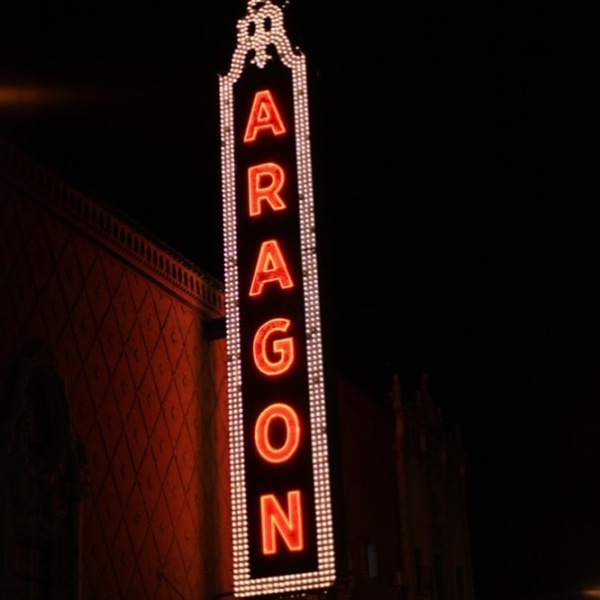
Uptown is renowned for its historic entertainment venues, which once hosted legends and continue to be a cornerstone of Chicago's cultural scene. Iconic spots like the Aragon Ballroom and the Riviera Theatre draw thousands annually for live music and events. The Green Mill Cocktail Lounge, with its Prohibition-era charm and jazz performances, offers a timeless experience. You can explore more about these vibrant spots at Uptown Chicago Music Venues.
The culinary scene in Uptown is incredibly diverse, reflecting its multicultural population. "Asia on Argyle," also known as Little Saigon, is a culinary gem offering authentic Vietnamese, Thai, and Chinese cuisine that draws foodies from across the city. From Michelin-recognized restaurants to cozy cafes, there's something to satisfy every palate. Find some of the best culinary delights at Best Restaurants in Uptown Chicago.
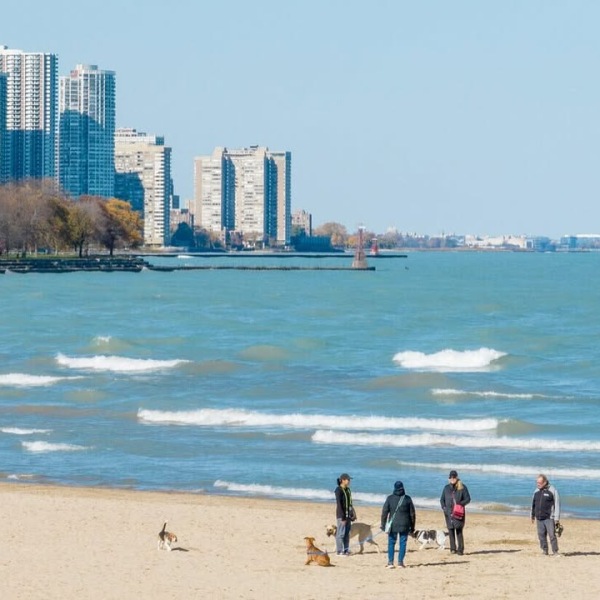
One of Uptown's greatest assets is its unparalleled lakefront access. Montrose Beach provides a beautiful sandy stretch for swimming, sunbathing, and enjoying stunning views of the city skyline. Nearby, the Montrose Point Bird Sanctuary is a haven for birdwatchers, attracting over 340 species. Parks like Clarendon Park offer green spaces for recreation and community activities. These outdoor spaces contribute significantly to the neighborhood's quality of life. For more ideas on local activities, check out Things to Do in Uptown.
Beyond entertainment and recreation, Uptown boasts strong community resources. Organizations like Uptown United & Chamber of Commerce actively work to support local businesses and foster community spirit. Educational institutions like Truman College bring an academic energy to the area, and the Chicago Public Library - Uptown Branch serves as a vital community hub. These elements combine to create a neighborhood that, despite its urban challenges, offers a dynamic and engaging environment for its residents.
Niche.com gives Uptown an impressive A+ overall grade, with high marks for Nightlife (A+), Good for Families (A), Diversity (A), Health & Fitness (A+), Outdoor Activities (A-), and Commute (A-). These high ratings speak volumes about the comprehensive quality of life here.
Frequently Asked Questions about Community Dynamics in Uptown
How does the crime rate in Uptown compare to other Chicago neighborhoods?
Uptown's crime rate, while higher than the national average, places it in the middle tier among Chicago neighborhoods. It ranks 121 out of 219 neighborhoods in Chicago for overall crime. For violent crime, it's ranked 80th, and for property crime, it's 116th within the city. This suggests that while there are neighborhoods with lower crime rates, Uptown is not at the very top of the list for crime in Chicago.
Chicago is a large city, and crime varies significantly from one area to another. As we often say, the same is true of almost every neighborhood in the city – parts are perfectly safe, while others may have higher levels of crime. Compared to other cities in Illinois, Uptown is considered safer than 53% of them. When considering a move, we encourage comparing Uptown not just to averages but to specific neighborhoods that match your lifestyle and comfort level. Nearby neighborhoods like Buena Park, South East Ravenswood, and Graceland West generally have lower crime rates.
Are there specific areas within Uptown that have different crime patterns?
Absolutely. Uptown is a large and geographically diverse neighborhood, and crime patterns are not uniform. As mentioned earlier, the northwest part of Uptown is generally considered the safest, with residents facing a 1 in 20 chance of being a victim of crime. This area often consists of more residential streets and feels calmer.
In contrast, the central areas of Uptown show a higher risk, with the chance of being a victim at 1 in 13. The southeast parts of Uptown experience the most crime incidents, with approximately 773 reported per year. Conversely, the southwest part of the neighborhood records the fewest incidents, at around 55 annually.
These variations are often influenced by factors like commercial activity and public transit stops. Areas with more retail establishments, restaurants, bars, and public transportation hubs naturally see higher foot traffic and, consequently, a greater number of reported incidents. For example, major intersections and entertainment districts, while vibrant, can concentrate activity that might contribute to higher localized crime statistics.
How do crime statistics relate to Uptown's overall livability?
Crime statistics offer a valuable data point, but they tell only part of the story when assessing Uptown's overall livability. For us, livability is a holistic concept that encompasses safety, yes, but also the rich cultural amenities, diverse dining options, convenient transportation, beautiful lakefront access, and the vibrant community spirit that defines Uptown.
While the crime grades and per-resident costs provide a quantitative measure of risk, they don't fully capture the daily experience of living here. Residents often balance awareness of potential risks with the immense benefits the neighborhood offers. The fact that Uptown consistently receives high grades for nightlife, diversity, health & fitness, outdoor activities, and commute speaks volumes. Its Walk Score of 96 ("Walker's Paradise"), Bike Score of 93 ("Biker's Paradise"), and Transit Score of 81 ("Excellent Transit") highlight a lifestyle that makes it easy to get around and encourages active engagement with the urban environment.
How crime statistics relate to an individual's perception of livability is deeply personal. For many, Uptown's dynamic energy, cultural richness, and access to the lakefront outweigh the statistical challenges, especially when armed with knowledge and proactive safety measures.
Conclusion
The question of whether is the Uptown neighborhood in Chicago safe reveals a complex and multifaceted answer. Like any vibrant urban environment, Uptown presents a blend of challenges and immense opportunities. Statistics provide a valuable snapshot, indicating areas where caution is warranted and highlighting the economic impact of crime on the community. However, these numbers must be balanced with the lived experiences of residents, the neighborhood's rich cultural mix, and its undeniable appeal.
Uptown is a dynamic neighborhood, constantly evolving, with a strong sense of community and a unique energy that many find irresistible. From its historic entertainment venues and diverse culinary scene to its stunning lakefront access and excellent transit options, there's a great deal that makes Uptown a desirable place to call home.
Making an informed decision about living in Uptown means considering both the data and your personal comfort level. By understanding the nuances of crime patterns, practicing personal awareness, and engaging with the community, you can confidently steer and enjoy all that this remarkable Chicago neighborhood has to offer. We invite you to explore the vibrant streets and find the unique charm of this historic district for yourself.