


Why Finding Senior Housing Assistance Is Harder Than It Should Be
Senior housing assistance is one of the most pressing challenges facing older adults in the U.S. today.
Here are the most common types of senior housing assistance programs available:
- Section 8 (Housing Choice Voucher Program) — A federal voucher program designed to assist seniors with their housing needs, portable across counties and states.
- Section 202 Supportive Housing for the Elderly — HUD-funded housing specifically for seniors, often with on-site services like meals and transportation.
- Housing Tax Credit (LIHTC) Programs — Developments with designated units built using federal tax credits.
- Public Housing — Government-owned units managed by local housing authorities.
- Local programs (e.g., AHSAP in Cook County) — County-level programs that require developers to set aside units for qualifying residents.
The result of high demand? Long waitlists. Confusing eligibility rules. And a maze of federal, state, and local programs that can feel impossible to navigate alone.
This guide breaks it all down — clearly and simply — so you or someone you love can find the right path forward.
Understanding Government Programs and Housing Assistance
When we begin looking for senior housing assistance, the sheer volume of acronyms can make anyone’s head spin. HUD, LIHTC, Section 8, Section 202—it sounds more like a secret government code than a list of places to live. Fortunately, these programs are designed to provide stable, secure housing options for older adults who need a helping hand with their living arrangements.
The most widely utilized program is the Housing Choice Voucher Program, commonly known as Section 8. This program provides a voucher that allows participants to choose their own housing in the private market.
For those looking specifically at housing designed for older adults in our local area, exploring HUD Senior Housing in Chicago is an excellent place to start. These properties are tailored to meet the physical and social needs of seniors, offering a built-in community of peers. If you are ready to take the first step toward securing a voucher, you can learn how to Apply for Section 8 to get your name on the local housing authority's registry.
Federal Programs for Senior Housing Assistance
At the federal level, the U.S. Department of Housing and Urban Development (HUD) manages several initiatives specifically targeted at older adults. Chief among these is the Section 202 Supportive Housing for the Elderly program.
Unlike general housing vouchers, Section 202 program funds go directly to private, non-profit organizations that build and manage housing communities specifically for seniors. These properties are designed to allow older adults to live independently but with access to essential support services. Under HUD guidelines, Section 202 properties are generally reserved for households with at least one person aged 62 or older. The federal housing assistance resources allocated to these properties ensure that the physical environment is safe, accessible, and integrated with the surrounding neighborhood.
Another major federal driver is the Housing Tax Credit (LIHTC). While not exclusively for seniors, many LIHTC developments set aside entire buildings or specific wings for older adults. These properties are owned by private developers who receive federal tax credits in exchange for designating units for older adults.
State and Local Housing Initiatives
While federal programs provide the foundation, state and county resources help fill the gaps, especially in high-demand regions like Cook County. Local initiatives are crucial because they adapt to the specific realities of our local neighborhoods.
In our home area, programs like the Cook County Housing Assistance initiatives work alongside municipal efforts to preserve and create housing opportunities. One key local mechanism is the Special Assessment Program (AHSAP). This Cook County program provides tax incentives to property owners who commit to maintaining designated units for local residents. By utilizing these county-level programs, developers can offer beautifully constructed, modern apartments in highly desirable neighborhoods, ensuring that long-time residents can remain in their communities.
Local housing authorities, such as the Chicago Housing Authority (CHA) and the Housing Authority of Cook County (HACC), manage these waiting lists and distribute vouchers. Keeping in close contact with these agencies is essential, as they serve as the direct gateway to both federal and local housing resources.
Eligibility Criteria for Senior Housing Assistance
Before diving headfirst into paperwork, it helps to understand who qualifies for these programs. Eligibility is not a one-size-fits-all calculation. It depends on your household size, your age, and sometimes your physical mobility needs.

To help visualize how the two primary federal programs differ in their basic requirements, we have compiled a quick reference table below:
| Feature / Criteria | Section 8 (Housing Choice Voucher) | Section 202 (Supportive Housing) |
|---|---|---|
| Primary Target | Families, elderly, & disabled | Seniors |
| Minimum Age | Generally 18+ (seniors receive preference) | 62 years of age or older |
| Housing Type | Private market apartments (landlord must accept) | Dedicated senior housing communities |
| On-Site Services | Typically none (tenant must arrange independently) | Service coordinators, activities, wellness |
Program Guidelines and Requirements
The guidelines for qualifying for housing assistance are updated annually by HUD based on regional demographics. To find out where your household stands, you can review the current local guidelines by checking resources on Housing Options in Chicago Illinois.
When evaluating your eligibility, housing authorities look at your household composition and documentation, which includes Social Security benefits, pensions, retirement account distributions, and any wages. Asset evaluations are also conducted, though having savings or owning a home does not automatically disqualify you.
Age and Accessibility Requirements
Age limits vary depending on the specific program and the community design. Generally, senior housing properties fall into two categories:
- 62+ Communities: This is the standard age requirement for federal programs like Section 202. To qualify, at least one member of the household must be 62 years of age or older.
- 55+ Communities: Many private developments operate under the Housing for Older Persons Act (HOPA), which allows properties to restrict residency to households where at least one person is 55 or older.
In addition to age, physical accessibility is a major component of senior housing design. Many developments offer specialized mobility-accessible units. These apartments are built using universal design features, which include step-free entryways, wider doorways to accommodate wheelchairs, roll-in showers, grab bars, and lower counter heights. Under federal guidelines, even if a community is designated for seniors, some properties accept individuals with mobility impairments who are 18 or older if they require the specific accessibility features of those units.
How to Apply and Navigate Waitlists
Once you have determined your eligibility, the next phase is the application process. Think of this stage as a marathon, not a sprint. Because demand for senior housing assistance is incredibly high, preparation and organization are your best tools for success.

Navigating this process requires a clear plan of action. The diagram below outlines the typical journey from your initial search to moving into your new home:
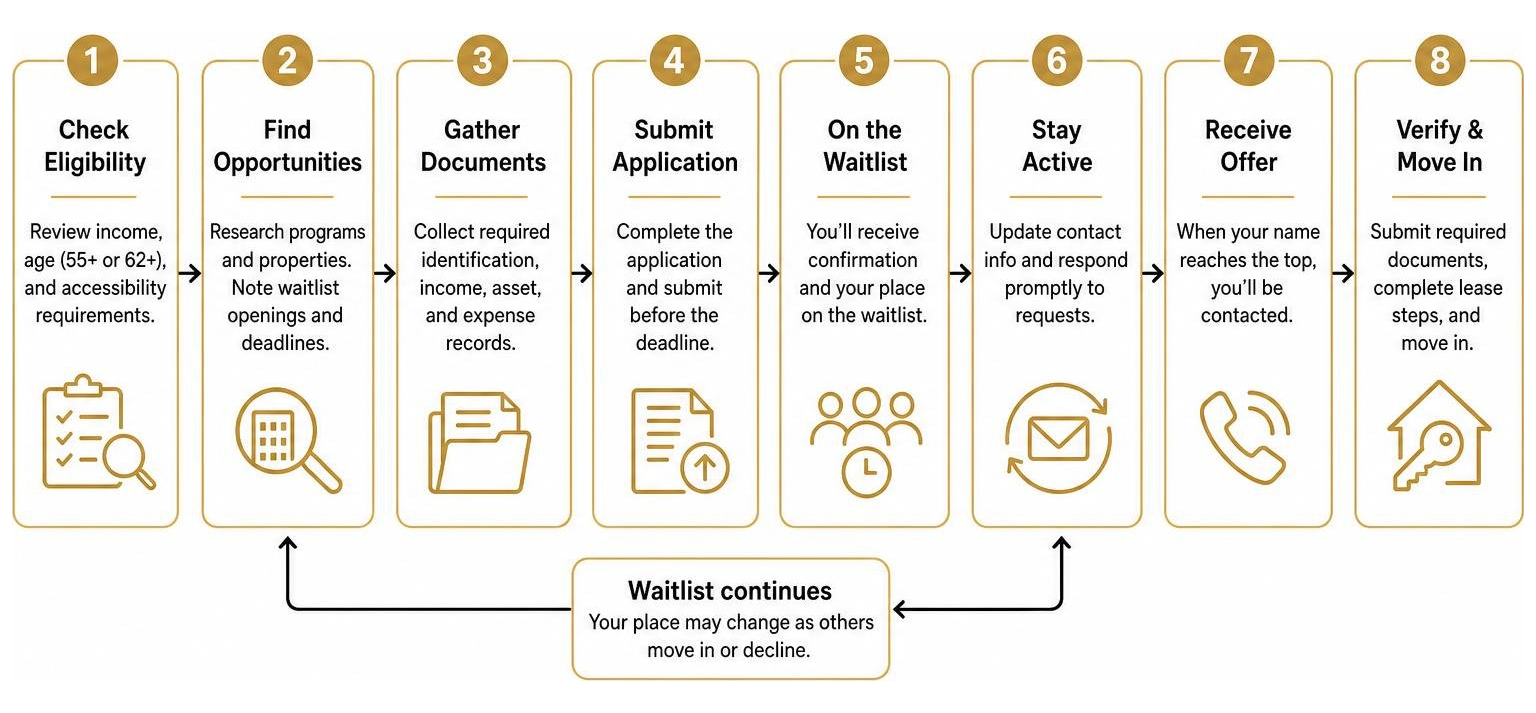
Because waiting lists for centralized voucher programs can open and close unpredictably, many seniors find success by applying directly to individual, designated senior buildings. Many managed senior communities maintain their own independent leasing offices and waitlists. While you wait for a centralized voucher, starting a Section 8 Apartment Search to identify properties that accept vouchers can save you valuable time later.
Required Documentation for Senior Housing Assistance
When a waitlist slot opens or your name reaches the top of the list, you must act quickly. Housing authorities and property managers typically give applicants a short window to submit their verification paperwork. Having these documents organized in a single, easily accessible folder can prevent you from losing your spot.
To ensure you are fully prepared, gather the following items:
- Government-Issued Identification: Driver's license, state ID, or passport for all household members.
- Proof of Age: Birth certificates or green cards.
- Social Security Cards: Original cards for everyone in the household.
- Income Verification: Recent Social Security benefit statements, pension statements, and consecutive pay stubs if currently employed.
- Tax Returns: Copies of your federal and state tax returns from the most recent tax year.
- Asset Documentation: Recent bank statements for checking, savings, and investment accounts.
- Medical Expense Records: Documented out-of-pocket medical expenses, prescription costs, and health insurance premiums if required for verification.
If you are looking for active listings and want to explore what options are currently accepting applications, utilizing local directories like Apartment Options Near Me is a highly effective way to kickstart your search.
Managing Waitlists and Priority Preferences
It is no secret that waitlists for senior housing can be long, often ranging from several months to a few years depending on the neighborhood. However, housing authorities and individual properties often use a "preference system" to prioritize applicants who are in the greatest need.
Common priority preferences include:
- Veterans: Veterans of the U.S. Armed Forces and their surviving spouses frequently receive top priority.
- Local Residents: People who currently live or work in the specific municipality or county where the housing is located.
- Extreme Housing Need: Individuals who are currently unhoused, living in substandard housing, or facing severe housing instability.
- Relocation Due to Natural Disaster: Individuals displaced by government action or natural disasters.
When you apply, make sure to check every preference box that applies to your situation and provide the necessary verification (such as a DD-214 form for veterans or utility bills for residency proof). Once you are on a waitlist, remember to update the housing authority or property manager immediately if your phone number, mailing address, or household details change. If they attempt to contact you and the letter is returned or the phone number is disconnected, you may be removed from the list entirely.
Community Features and Supportive Services
One of the greatest benefits of senior-specific housing is that it goes far beyond providing four walls and a roof. These communities are intentionally designed to foster social connection, maintain physical safety, and support independent living as we age.
Rather than feeling isolated in a traditional apartment building, residents in senior communities are surrounded by peers, creating natural opportunities for friendship and mutual support.
Pet-Friendly Policies and Intergenerational Programs
We know how important pets are to our overall well-being. Most senior housing communities are pet-friendly, typically allowing up to two pets per apartment, so you do not have to leave your beloved furry companions behind.
Some forward-thinking communities also incorporate intergenerational programming. By partnering with local schools or early childhood education programs, these developments bring younger generations and seniors together for shared activities, storytelling, and arts and crafts. This connection brings a unique vitality to the building and helps seniors stay deeply connected to the broader neighborhood.
Supportive Services in Senior Housing Assistance
To help residents maintain their independence for as long as possible, many senior developments employ on-site Service Coordinators. These professionals act as advocates and resource navigators for the residents.
A Service Coordinator can assist with:
- Coordinating transportation for grocery shopping and medical appointments.
- Arranging in-home supportive services, such as physical therapy or light housekeeping.
- Helping residents understand and renew their Medicare, Medicaid, or SNAP benefits.
- Organizing wellness programs, blood pressure clinics, and educational workshops.
Furthermore, integrating healthcare programs directly into the housing community is becoming an industry standard. By partnering with local health providers, some buildings offer on-site wellness services where visiting nurses or physical therapists can meet with residents. This proactive approach to health helps prevent unnecessary hospitalizations and ensures that residents can age in place with dignity.
Frequently Asked Questions about Senior Housing
Do seniors on Social Security qualify for housing assistance?
Yes, absolutely. In fact, many seniors living in assisted housing rely on Social Security as their primary or sole source of income.
When you apply for housing assistance, your Social Security benefits are counted as part of your gross household income. Because these benefits are often on a fixed scale, many recipients easily meet the eligibility thresholds required for programs like Section 8 and Section 202. To verify your income, you will simply need to provide your annual Social Security benefit award letter during the application process.
Can seniors with pets live in senior housing?
Yes. Federal law protects the rights of residents in federally assisted senior housing to own common household pets.
Under HUD guidelines, properties cannot have blanket bans on pets, though they are permitted to establish reasonable rules regarding pet sizes, weights, and breeds. Most communities have a limit of up to two pets per apartment. It is important to note that certified service animals and emotional support animals are not considered pets under the law; therefore, standard breed restrictions do not apply to them.
Conclusion
Finding the right housing community is about more than just locating an available unit—it is about finding a place where you can thrive, build connections, and feel secure.
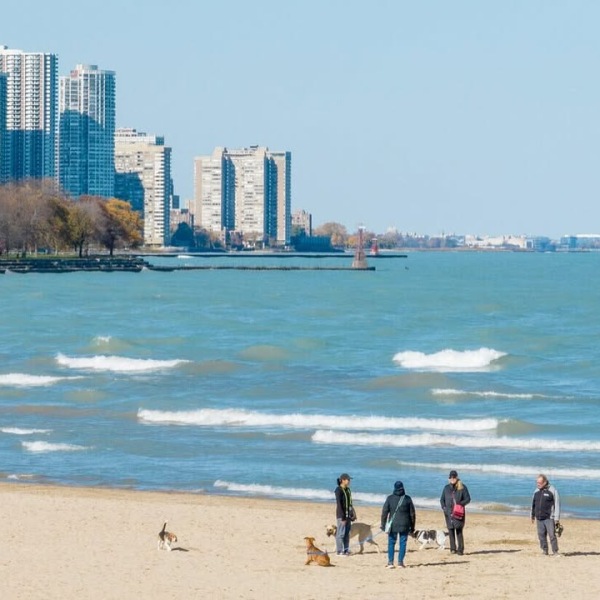
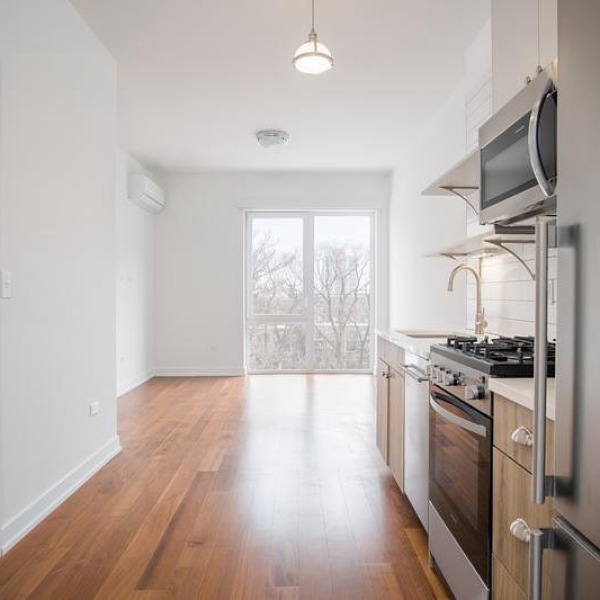
For those looking to stay in the heart of Uptown Chicago, we designed our community to offer the perfect balance of comfort and convenience. At The Winnie Apartments by FLATS®, we provide modern studio and one-bedroom apartments that combine high-quality design with a warm, community-focused atmosphere. Located in a historic, walkable neighborhood, our homes offer easy access to local parks, cultural attractions, and public transit, making it simple to stay connected to everything you love about the city.
If you are ready to explore your options and take the next step toward finding a vibrant new place to call home, we invite you to browse our current floorplans and learn more about our community by visiting our Apartment Options Near Me directory. We look forward to welcoming you to the neighborhood!