


What's Really Behind Uptown's Change
Up and coming Chicago neighborhoods Uptown isn't just marketing speak—it's a real change happening right now on the city's North Side. But understanding what "up and coming" actually means requires looking beyond the buzzwords.
What's Actually Happening in Uptown:
- Historic venues being restored - The Uptown Theatre, Double Door Theater, and other entertainment landmarks are getting new life
- New residential buildings going up - Mixed-use developments combining modern apartments with ground-floor retail
- Cultural diversity strengthening - Asia on Argyle continues to thrive while new businesses move in
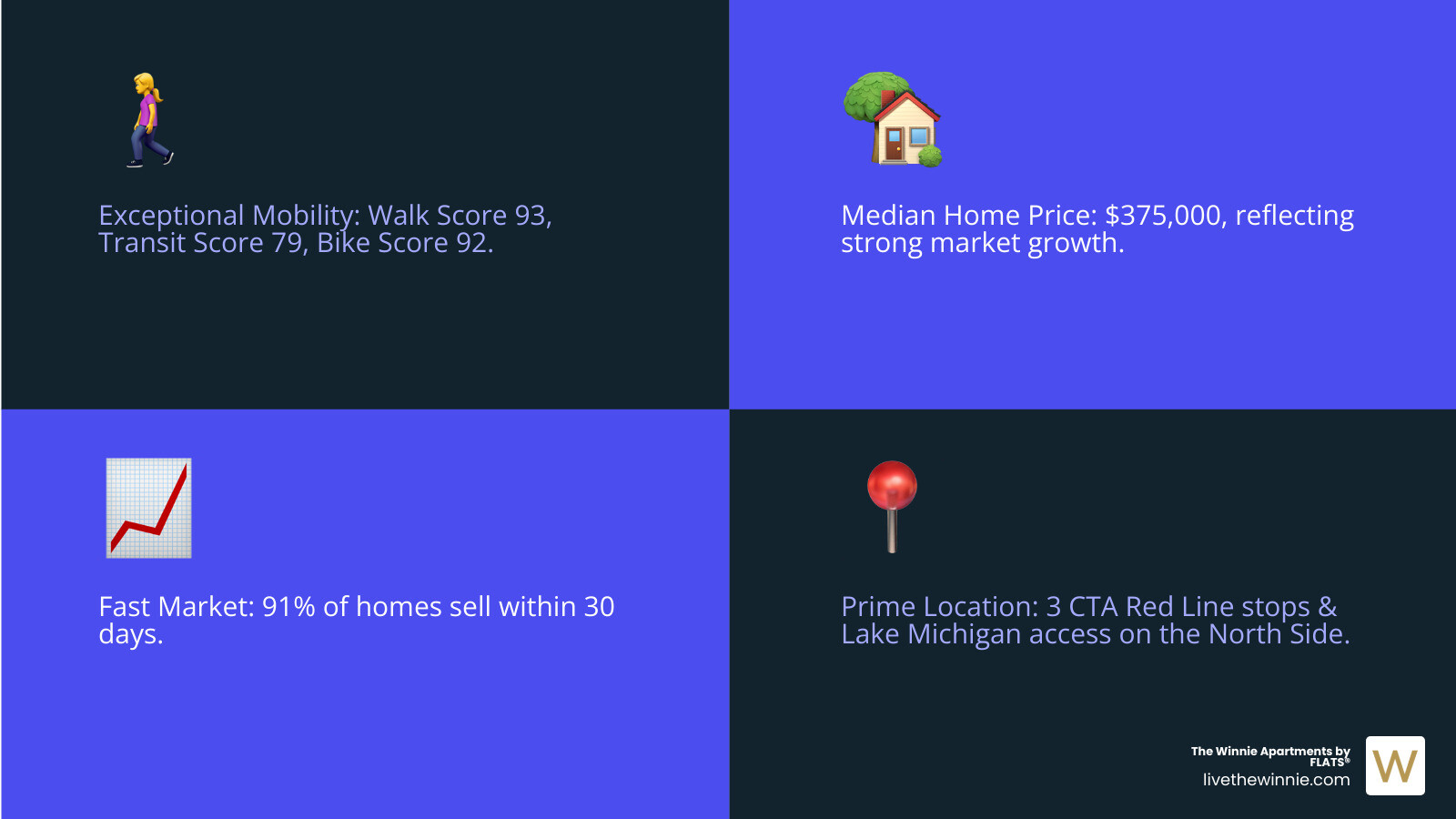
- Market activity increasing - 91% of homes now sell within 30 days, up from much longer waits just years ago
- Infrastructure improving - Transit connections remain excellent with Walk Score 93 and three Red Line stops
The numbers tell part of the story. Uptown houses nearly 60,000 residents across a patchwork of distinct sub-neighborhoods. But the more interesting story is how this neighborhood is changing.
Unlike other Chicago neighborhoods that bulldozed their past for glass towers, Uptown is trying something different. Developers are converting 1920s hotel buildings with Art Deco details into modern apartments. Historic entertainment venues that once hosted Charlie Chaplin are being renovated rather than replaced. New construction sits alongside Prairie-style mansions and vintage courtyard buildings.
This isn't gentrification by accident. It's a deliberate effort to preserve what made Uptown special—its entertainment legacy, its architectural diversity, its role as a cultural crossroads—while adding the housing and amenities that modern residents want.
The question isn't whether Uptown is changing. It clearly is. The real question is whether this development model—balancing preservation with progress—can actually work.
From Entertainment Mecca to Residential Hub: Uptown's Storied Evolution
If you want to understand why up and coming Chicago neighborhoods Uptown has such a distinctive character, you need to go back about a century.
In the 1920s, Uptown wasn't just another neighborhood—it was Chicago's second downtown. The area earned the nickname "Loop's Little Brother" for good reason. On any given night, you could catch a silent film at one of several grand movie palaces, dance at the Aragon Ballroom, or slip into a Prohibition-era jazz club where the music was hot and the drinks were, well, technically illegal.
The Jazz Age left its mark everywhere. The Art Deco facades that still line the streets weren't just architectural flourishes—they were statements. This was a neighborhood that wanted to be seen, heard, and remembered. Venues like the Green Mill and Aragon Ballroom drew the biggest names in entertainment, creating a legacy that outlasted the era that built them.
But Uptown's story didn't end when the spotlights dimmed. Wave after wave of immigration shaped the neighborhood into something richer and more complex. Early German and Swedish communities gave way to Appalachian migrants in the 1950s (earning the area the nickname "Hillbilly Heaven"). Later came significant Asian, Hispanic, Native American, and African American populations, each adding their own thread to the neighborhood's fabric.
The "Asia on Argyle" district stands as perhaps the most visible example of this change. When Chinese entrepreneurs and refugees from Vietnam and Cambodia arrived in the 1970s, they didn't just move in—they created a thriving cultural hub that continues to draw people from across the city. Today, the red pagoda-style CTA station and dozens of authentic restaurants make it one of Chicago's most distinctive destinations.
What makes Uptown special is how it's managed to hold onto these layers of history rather than erasing them. The same blocks that house Vietnamese pho restaurants also feature restored Prairie-style mansions. New residential buildings rise next to vintage courtyard apartments. It's a neighborhood that's always been in motion, always changing, yet somehow staying true to its character as a cultural crossroads.
More info about the Uptown Chicago Neighborhood.
The Architectural Mix
Walking through Uptown feels like flipping through a century of architectural history. The vintage movie palaces still command attention with their ornate facades and marquees, even if some are awaiting restoration. These weren't neighborhood theaters—they were destinations, built to awe.
Head down Hutchinson Street or Dover Street, and you'll find something entirely different: stately Prairie-style mansions and neat homes from the early 1900s. These streets showcase Uptown's Gilded Age roots, when wealthy Chicagoans built summer retreats along the lakefront. The Sheridan Park Historic District, established in 1985, protects many of these architectural treasures.
But here's where Uptown's development story gets interesting. Instead of demolishing these historic buildings to make room for generic high-rises, many developers are choosing adaptive reuse. Those 1920s hotel buildings with their distinctive Art Deco details? They're being converted into modern apartments that preserve the character while updating the interiors. Vintage courtyard buildings—a Chicago specialty—remain a defining feature of the streetscape.
This isn't preservation for preservation's sake. It's a recognition that Uptown's architectural diversity is part of what makes it attractive. The mix of old and new, grand and modest, creates a neighborhood that feels layered and authentic rather than cookie-cutter.
A Legacy of Arts and Culture
Some neighborhoods have cultural scenes. Uptown has cultural DNA.
Start with the Green Mill, a jazz club that's been operating for over 100 years. The story goes that Al Capone kept a regular spot at the end of the bar, positioned so he could see both entrances. True or not, the club still captures that Prohibition-era atmosphere—intimate, slightly underground, and serious about its music. Nightly performances keep the jazz tradition alive, drawing both longtime fans and curious newcomers.
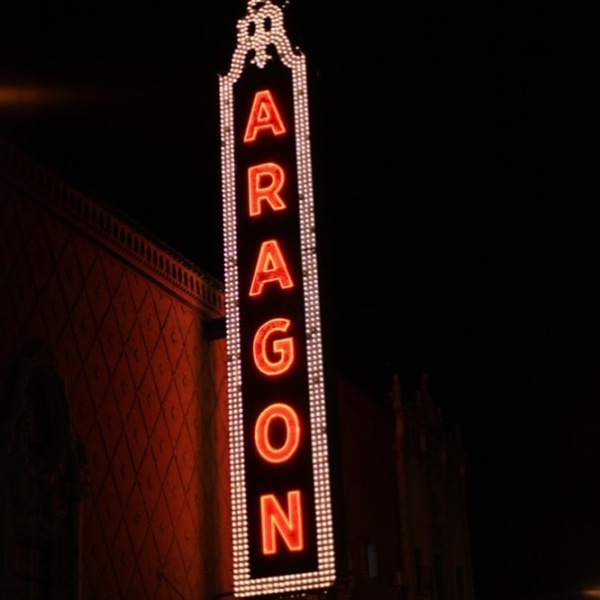
But the Green Mill is just the beginning. The Riviera Theatre and Aragon Ballroom continue to host major concerts, bringing thousands of music fans to the neighborhood throughout the year. These aren't nostalgia acts—they're working venues that remain relevant nearly a century after opening.
Uptown's entertainment legacy extends beyond music halls. The Baton Show Lounge has been staging drag performances for over 50 years, offering shows every night of the week. Carol's Pub keeps the neighborhood's Appalachian roots alive with live country and western music in a decidedly no-frills setting.
The Black Ensemble Theater, founded in 1976, has spent decades celebrating African American history and experiences through powerful productions. And if you go back even further, Uptown was home to Essanay Studios from 1907 to 1917—a major silent film production hub where Charlie Chaplin once worked.
Today, over 100 public murals add color and narrative to the streets, including the "Roots of Argyle Mural" that honors the neighborhood's Asian heritage. This isn't a neighborhood that treats culture as an amenity—it's woven into the everyday experience of living here.
A look at Uptown Chicago Nightlife.
The Renaissance in Action: What's Driving the "Up and Coming" Label?

When people talk about up and coming Chicago neighborhoods Uptown, they're responding to something tangible happening on the ground. This isn't speculation or wishful thinking—it's concrete, steel, and restored plasterwork. The neighborhood is experiencing a genuine renaissance, and the evidence is everywhere you look.
Walk down Sheridan or Clark today and you'll see cranes in the sky, scaffolding around vintage buildings, and construction fences promising new developments. But what makes this moment different from other development booms across Chicago is the intention behind it, with a focus on growth that strengthens the existing community.
The real estate landscape is diversifying in ways that would have seemed impossible a decade ago. Modern lofts sit next to rehabbed vintage residences. High-rise apartments with demonstration kitchens and reservable private offices rise alongside converted hotel buildings that have kept their Art Deco bones. Some buildings offer floor-to-ceiling windows with lake views, while others preserve the courtyard charm that made Uptown special in the first place.
This isn't development for development's sake. It's a deliberate strategy to create housing options for different lifestyles, all while maintaining the neighborhood's distinctive character. The Chicago Uptown Real Estate Market continues to evolve as new projects unfold. What we're seeing is a neighborhood that's figured out how to grow without losing itself in the process.
Restoring the Grand Dames
The heart of Uptown's cultural identity beats in its historic entertainment venues, and right now, those venues are getting some serious attention. The restoration efforts underway aren't just about preserving old buildings—they're about reactivating the spaces that made Uptown a destination in the first place.
The Uptown Theatre restoration stands as perhaps the most ambitious project. This magnificent venue, dark for decades, is slowly being brought back to life. When it reopens, it will once again be one of Chicago's most spectacular performance spaces. Meanwhile, the Double Door Theater has found its new home in Uptown, bringing its beloved music programming to the neighborhood and signaling confidence in the area's future as a live music hub.
The Riviera Theatre and Aragon Ballroom continue to draw crowds for major concerts and events, proving that these grand dames still have serious pulling power. Add in the upcoming arrival of TimeLine Theatre Company in 2026, and you've got a neighborhood that's seriously committed to its entertainment infrastructure.
These aren't vanity projects. They're strategic investments that recognize something important: Uptown's identity as an arts and entertainment destination isn't just history—it's an economic engine that can drive the neighborhood's future.
New Residential and Mixed-Use Projects
While historic venues get their moment in the spotlight, new construction is quietly filling in gaps across the neighborhood. This infill development is adding housing and street-level retail in ways that feel natural rather than jarring.
The results are visible across Uptown. New residential buildings have brought hundreds of units to areas like North Marine Drive, offering more options near the lake. Other projects have transformed vacant lots and underused spaces on streets like Sunnyside, Ashland, and Sheridan, adding to the neighborhood's housing supply.
Many of these projects combine multiple uses in interesting ways, replacing former commercial sites with ground-floor retail and apartments above. Some cultural institutions are even expanding to include residential units alongside educational space, showing how community anchors can grow while adding housing. This steady addition of new homes continues throughout the neighborhood.
What ties these projects together is their scale and approach. They're not megadevelopments that overwhelm the streetscape. They're thoughtful additions that add density without destroying the neighborhood fabric. Combined with the ongoing conversion of vintage buildings, they're creating the diverse housing stock that modern urban neighborhoods need. A guide to Uptown Chicago Apartment Buildings shows just how varied the options have become.
Beyond Bricks and Mortar: The Lifestyle of a Changing Neighborhood

The change of up and coming Chicago neighborhoods Uptown goes far deeper than construction cranes and ribbon cuttings. What really makes this neighborhood special is the life that happens between the buildings—the jazz spilling out of century-old clubs, the aroma of pho drifting down Argyle Street, the sound of waves on Montrose Beach on a summer evening.
Living in Uptown means waking up to options. Maybe you'll grab coffee at a local shop before heading to the lakefront for a morning run. Perhaps you'll spend your evening catching live music at a legendary venue, or trying a new restaurant serving cuisine from halfway around the world. The neighborhood's vibrant rhythm comes from this incredible mix of culture, entertainment, and outdoor recreation all packed into a few square miles.
What strikes us most about Uptown is how it manages to be both deeply rooted in history and excitingly contemporary. The same block might feature a 1920s jazz club, a Vietnamese bakery, and a modern coffee shop—and somehow it all works together perfectly. Community events like the Argyle Night Market bring neighbors together, creating connections that turn a collection of buildings into an actual neighborhood. Things to Do in Uptown.
A Global Culinary Tour
Uptown's dining scene reads like a passport stamp collection. The neighborhood's waves of immigration over the decades created something remarkable—a place where you can eat your way around the world without leaving a few blocks.
The heart of this culinary adventure is Asia on Argyle, where the concentration of Asian restaurants turns a simple dinner decision into a delightful dilemma. Pho Viet serves steaming bowls of Vietnamese pho that locals swear by, while Sun Wah BBQ earned James Beard recognition for its spectacular Beijing duck dinner. Immm Rice & Beyond brings authentic Thai flavors to the table, and countless spots offer everything from sushi to dim sum.
But the global tour extends well beyond Asia. Demera Ethiopian Restaurant serves traditional African dishes on injera bread. Ragadan whips up Middle Eastern-inspired baklava milkshakes that sound unusual but taste incredible. Anna Maria's Pasteria offers Italian comfort food, while Michael's Original Pizzeria & Tavern delivers classic Chicago pizza. Morning people love Crema Coffee Shop for expertly crafted drinks and Downstate Donuts for fresh-made treats.
This diversity isn't just nice to have—it's fundamental to what makes Uptown feel alive. Every meal becomes an opportunity to try something new, to support a family-owned business, to taste a dish made from a grandmother's recipe carried across oceans.
Best Entertainment and Recreation
Uptown earned its "entertainment district" reputation over a century ago, and it hasn't let go of that title. The Green Mill remains the crown jewel—a 100-year-old jazz club where Al Capone supposedly had his favorite booth. Live music fills the space every night, keeping the spirit of the Jazz Age very much alive. For bigger acts, the Riviera Theatre and Aragon Ballroom host concerts that draw fans from across the region.
The neighborhood celebrates diversity in its entertainment too. The Baton Show Lounge has been dazzling audiences with drag performances for over half a century, offering shows seven nights a week. Carol's Pub keeps Uptown's Appalachian roots alive with live country and western music in a wonderfully unpretentious setting.
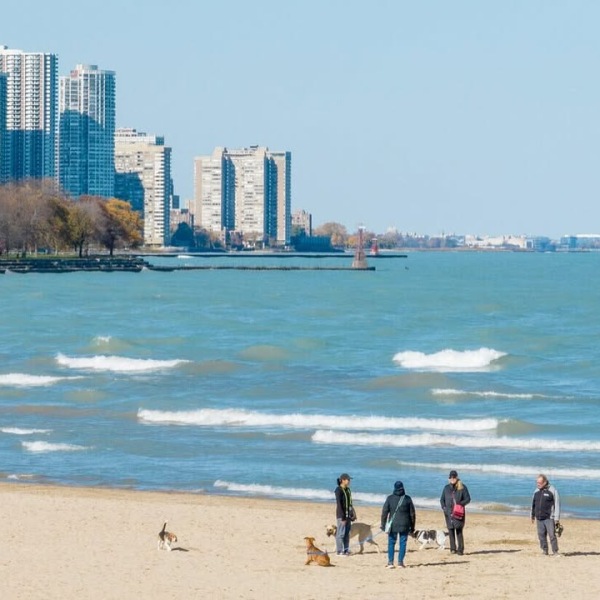
Then there's the lakefront—Uptown's natural treasure. Montrose Beach stretches along Lake Michigan with a waterfront restaurant, a dedicated dog beach where pups can run free, and the Montrose Point Bird Sanctuary that attracts over 340 species of birds. On any given day, you'll find people swimming, sunbathing, playing volleyball, or simply watching the sunset paint the Chicago skyline.
Even Graceland Cemetery offers a different kind of recreation—a Victorian-era oasis filled with stunning art, architecture, and landscape design. It's a peaceful place for a contemplative walk among the trees and monuments.
Whether you're in the mood for live jazz, international cuisine, a beach day, or a quiet evening stroll, Uptown delivers. That's the real story behind the up and coming Chicago neighborhoods Uptown label—not just new buildings, but a lifestyle that keeps getting richer and more varied.
How Uptown Fits into the Landscape of Up and Coming Chicago Neighborhoods
When you're exploring up and coming Chicago neighborhoods Uptown sits in a category of its own. While other areas are converting old warehouses into lofts or bulldozing blocks for glass towers, Uptown is taking a different path—one that honors its past while building its future.
The development we're seeing isn't about erasing what makes Uptown special; it's about amplifying those qualities. Historic theaters get restored. Vintage buildings find new life as modern apartments. New construction fills in gaps rather than replacing entire blocks.
This balanced approach creates something rare in today's urban landscape—a neighborhood that feels both established and emerging at the same time. The architecture tells multiple stories across multiple eras. The residents represent dozens of cultures and backgrounds. The entertainment venues range from century-old jazz clubs to contemporary concert halls. It's this layered quality that makes Uptown's development model worth watching.

But Uptown's appeal isn't just about what's being built—it's also about where it's located and how easily you can get around. With a Walk Score of 93, a Bike Score of 92, and a Transit Score of 79, this is a neighborhood designed for walkability and easy transit access. Three CTA Red Line stops—Wilson, Lawrence, and Argyle—put downtown Chicago just 15-20 minutes away. The Purple Line Express at Wilson makes the commute even faster during rush hours. Multiple bus lines crisscross the neighborhood, and Lake Shore Drive runs along our eastern edge for those times when driving makes sense.
This combination of thoughtful development and excellent connectivity positions Uptown as more than just another neighborhood on the rise. It's becoming a model for how urban areas can grow while keeping their soul intact.
What Makes Uptown's Development Unique?
The most striking thing about Uptown's development isn't any single project—it's the philosophy behind all of them. Where other neighborhoods might see a 1920s hotel building as an obstacle to progress, Uptown sees an opportunity. Those Art Deco details get preserved. Those high ceilings get celebrated. The building gets converted into modern apartments that honor their architectural heritage.
This commitment to balancing new construction with historic preservation shows up in countless ways. The Uptown Theatre restoration preserves a cultural landmark while creating a future entertainment venue. New mixed-use buildings incorporate ground-floor retail that activates the street, just like the vintage courtyard buildings do. Even the newest high-rises are designed to complement rather than overwhelm the existing streetscape.
What makes this approach work is that it's genuinely community-focused. The development happening here aims to create spaces that enrich the entire community. The cultural diversity that defines Uptown isn't treated as something to be managed or minimized—it's celebrated as a core strength. Asia on Argyle continues thriving. Historic entertainment venues keep hosting shows. The neighborhood's character remains intact even as it evolves.
By leveraging existing architectural assets rather than replacing them, Uptown is creating something increasingly rare: a neighborhood where you can feel the history in the buildings around you while enjoying thoroughly modern amenities. It's growth with intention, development with soul.
Connectivity and Location
Uptown's spot on Chicago's North Side gives you the best of multiple worlds. You're close enough to downtown for an easy commute, yet you have immediate access to the lakefront. The Loop is 15-20 minutes away by train. Montrose Beach is a five-minute walk from many apartments. That kind of dual access is hard to find.
The transportation infrastructure here is genuinely impressive. That Walk Score of 93 means you're living in what the rating system calls a "Walker's Paradise"—most errands can happen on foot. Need groceries? There's probably a store within a few blocks. Want dinner? You've got dozens of restaurants in walking distance. The neighborhood is designed for pedestrians in a way that makes daily life simply easier.
For longer trips, the CTA Red, Brown, and Purple Lines all serve Uptown, with three Red Line stops making access particularly convenient. Whether you're heading to the Loop for work or exploring other neighborhoods on the weekend, you've got options. The Ravenswood Metra Station adds commuter rail service for those working in the suburbs. And with a Bike Score of 92, cycling is a legitimate transportation choice here—the infrastructure supports it.
This central North Side location means you're well-positioned to reach anywhere in the city. Lake Shore Drive provides quick car access when needed. The dense transit network connects you to every corner of Chicago. And unlike some neighborhoods where convenience means compromising on character, Uptown delivers both. You get the practical benefits of excellent connectivity alongside the cultural richness of a truly diverse community.
That combination—a neighborhood that's both well-connected and genuinely interesting—is exactly what makes Uptown stand out among Chicago's evolving communities.
Conclusion
Uptown Chicago offers something increasingly rare in a major city: a neighborhood that manages to honor every layer of its history while building confidently toward the future. We've walked through its journey from Jazz Age entertainment district to today's dynamic residential hub, and what stands out is how deliberately up and coming Chicago neighborhoods Uptown has charted its own path.
This isn't a story of wholesale change or erasing what came before. Instead, we see historic entertainment venues being restored to their former glory alongside thoughtfully designed new construction. The Art Deco theaters that once drew thousands still anchor the neighborhood's identity, while modern mixed-use developments add housing options that meet today's needs. It's a development model that actually works—preserving the architectural treasures and cultural diversity that make Uptown special.
Living here means being part of a community that celebrates its global influences. Your morning might start with coffee at a local shop, lunch could be Vietnamese pho on Argyle, and your evening might end with live jazz at the Green Mill. The lakefront is minutes away. Downtown is a quick Red Line ride. Everything you need is walkable, bikeable, or easily accessible by transit.
Uptown's renaissance is about creating a neighborhood that enriches the entire community. The blend of culture, convenience, and genuine community spirit isn't just marketing language. It's what you experience when you walk these streets, catch a show at the Riviera, or spend a summer afternoon at Montrose Beach.
The Winnie Apartments embodies this evolution—modern living spaces that fit naturally into Uptown's historic fabric, offering the amenities today's residents expect while being part of a neighborhood with real character and soul.
If you're drawn to a place where history and progress actually complement each other, where diversity is celebrated rather than homogenized, and where urban convenience meets authentic community, Uptown deserves your attention. Explore the Uptown neighborhood and find your new home.