


Why Apartments Near Train Matter for Urban Living
Apartments near train stations offer a lifestyle advantage that combines convenience, connectivity, and community. Here's what you need to know:
Quick Guide to Finding Train-Adjacent Apartments:
- Identify the transit line - Research commuter rail (Metra), light rail, or subway (CTA) options
- Check commute times - Most stations offer 10-20 minute frequencies during rush hour
- Search within walking distance - Look for properties within 0.5-1 mile of stations
- Filter by amenities - Prioritize bike storage, soundproofing, and modern conveniences
- Compare neighborhoods - Balance station proximity with neighborhood character and lifestyle fit
Living near a train station isn't just about cutting commute time. It's about expanding one's world without the reliance on a personal vehicle.
As traffic becomes unbearable during rush hours, trains dutifully carry tens of thousands of passengers to and from work and pleasure every day. Research shows that developers have recognized this too, building more apartments close to train stations in communities where rentals are more available and connection to the city remains quick.
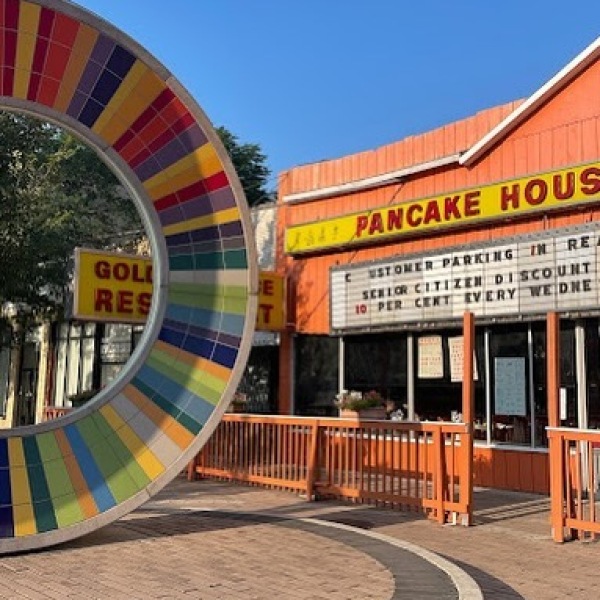
The real benefit? It allows for living where life happens. Uptown Chicago exemplifies this perfectly - it's incredibly walkable and bikeable, with easy access to the lakefront, surrounding neighborhoods, and countless dining options within minutes of the door. This isn't just renting an apartment; it is gaining access to an entire urban ecosystem.
Transit-oriented living means less time stuck in traffic and more time exploring the city, whether that's hitting up a new restaurant after work or catching a show downtown without worrying about parking.
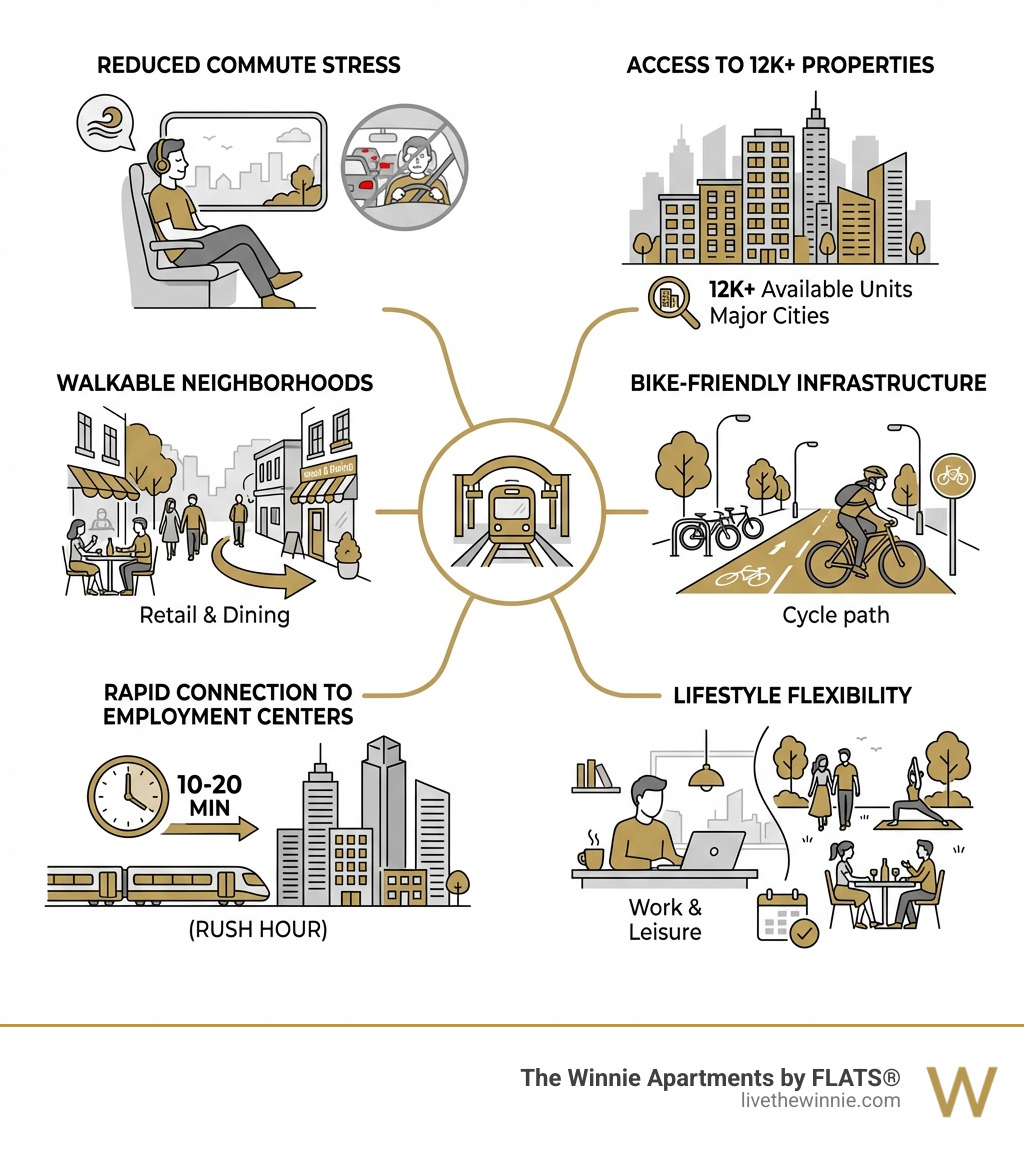
The Lifestyle Benefits of Living Near Transit
When discussing the lifestyle benefits of living in apartments near train stations, it is really about the luxury of time. In a busy metropolis like Chicago, time is the most valuable currency. By positioning a residence near major transit hubs, hours once lost to gridlock on the Kennedy or the Eisenhower Expressways are reclaimed.
The beauty of transit-oriented development is the seamless integration of work, play, and residence. Imagine leaving the front door and being on a train platform within five minutes. From there, the entire city of Chicago opens up. Whether heading to a meeting in the Loop or meeting friends for dinner in the West Loop, the train acts as a personal chauffeur. This level of connectivity fosters a sense of freedom that car-dependent living simply cannot match.
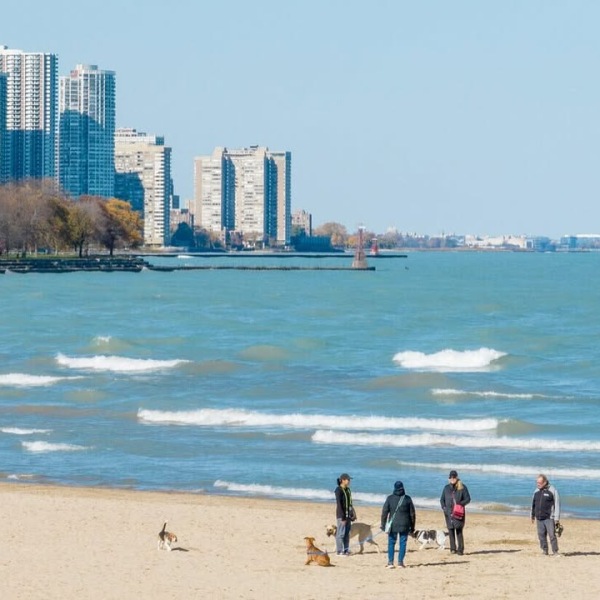
Furthermore, living near transit encourages a more active and engaged lifestyle. When residents aren't exhausted from navigating traffic, there is more energy to enjoy the local culture. In neighborhoods like Uptown, this means having the energy to walk to a show at the Riviera Theatre or enjoy a sunset at Montrose Beach. For those looking to dive deeper into how transit shapes the local experience, More info about Chicago apartments near transit shows how these connections improve daily life.
How Proximity to Apartments Near Train Stations Impacts Daily Routines
Daily routines are fundamentally transformed when living in apartments near train stations. Let's look at how a typical day unfolds when the "L" is just a short walk away.
Morning Routines: Instead of a stressful drive, the morning commute becomes a time for mindfulness or productivity. One can catch up on emails, read a book, or simply enjoy the view of the city skyline as the train zips toward the destination. During peak weekday hours (6 am - 9 am), trains often run every 10 minutes, meaning life doesn't have to be lived by a rigid, stressful schedule. If one train is missed, the next one is just a few sips of coffee away.
Evening Leisure: The transition from work to home is smoother. It is easy to stop by a local pub or grocery store right off the train station before heading to the apartment. In Uptown, for example, the walk from the Wilson Red Line station passes eclectic dining and retail shops, making it easy to grab dinner or a quick gift for a friend without making a special trip.
Weekend Exploration: On weekends, the train becomes a gateway to adventure. Chicago’s rail system connects diverse neighborhoods, from the historic charm of the North Side to the vibrant energy of the South Side. The city’s world-class museums, parks, and lakefront beaches are accessible without the headache of finding parking. This reduced vehicle reliance simplifies life, removing the daily stress of city driving and the hunt for a parking spot.
Essential Amenities for Modern Apartments Near Train Lines
Living in apartments near train stations often means living in modern buildings designed for the "next generation" of urban explorers. These properties aren't just about location; they are built to foster creativity, collaboration, and comfort.

One of the most sought-after amenities in modern transit-oriented apartments is the coworking space. As remote and hybrid work become the norm, having a dedicated area to focus—complete with high-speed internet and reservable offices—is essential. This trend is evident in premium Chicago developments where resident lounges and workstations are designed to feel like high-end cafes rather than stuffy offices.
Other essential amenities include:
- Bike Storage and Repair Stations: Since transit-friendly neighborhoods are also highly bikeable, having a secure place to store a bike is a must.
- Rooftop Decks: These offer unobstructed views of the city and provide a social hub for residents to gather, grill, and relax.
- Dog Wash Stations: For those with furry friends, a dedicated dog wash station makes post-walk cleanups at the beach much easier.
- Fitness Centers: High-end gyms and training rooms allow residents to maintain their fitness routine without leaving the building.
- Keyless Entry and Smart Technology: Systems like VTS Rise provide secure, modern building management, allowing for easy entry or package reception.
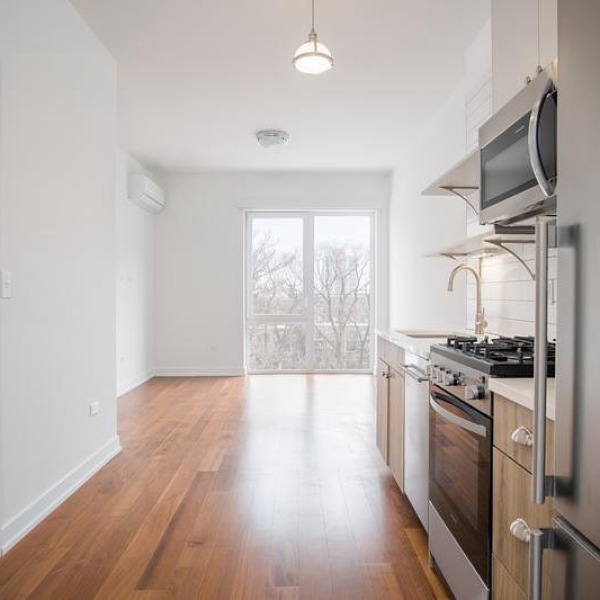
- Floor-to-Ceiling Windows: These provide bright, inviting spaces that make urban living feel expansive and connected to the city's energy.
Understanding Different Transit Systems and Commute Times
Not all train services are created equal. Depending on the location in Cook County or Chicago, different types of rail services may be used, each with its own impact on a daily schedule.
| Transit Type | Service Name | Best For | Typical Frequency |
|---|---|---|---|
| Subway/Liftd | CTA (e.g., Red Line) | Fast, frequent city travel | 10-15 mins (Peak) |
| Commuter Rail | Metra | Suburban to City center | Scheduled (hourly/peak) |
| Light Rail | N/A in Chicago | Localized urban loops | High frequency |
The CTA Red Line is a primary artery for Chicago, connecting the North and South sides through the heart of the city. For those living in Uptown, the Wilson station is a major hub. For more information on routes and schedules, visit the Chicago Transit Authority. If looking for a deep dive into living near these specific lines, the Apartments Near CTA Guide offers detailed insights into the best neighborhoods for "L" access.
When calculating a commute, it is vital to look at "rush hour" timing. While a station might be 4 minutes away from a major hub, one must factor in the walk to the station and the train's frequency. Most modern rental platforms now offer commute calculators that use real-time data to show exactly how long it will take to get to the office or a favorite hangout spot during the busiest times of day.
Key Factors to Consider When Choosing Your Next Home
While the convenience of apartments near train lines is undeniable, there are several factors to consider to ensure a new home matches a lifestyle perfectly.
Noise Levels and Soundproofing: Living near the tracks brings a certain urban soundtrack. Modern construction often uses advanced soundproofing and specialized windows to minimize the "rumble" of the train. When touring a property, pay attention to the building's orientation and the quality of the windows. Higher floor levels can also help dissipate street-level noise.
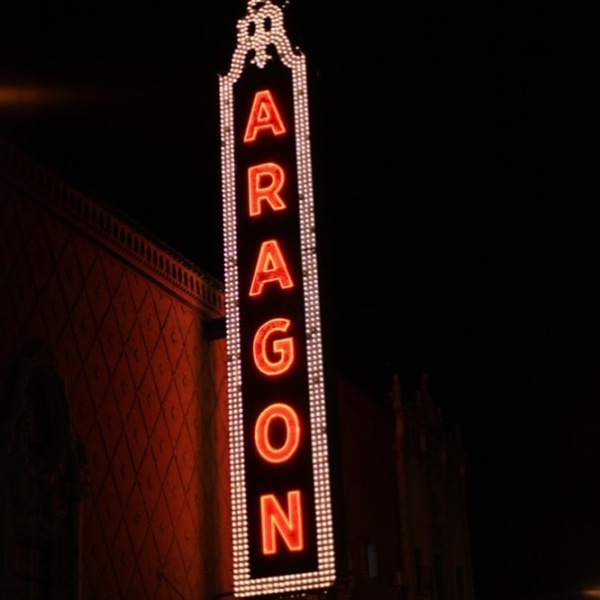
Neighborhood Vibrancy and Walkability: A great transit-oriented apartment should be located in a neighborhood that offers more than just a train stop. Uptown Chicago is a fantastic example, offering a mix of creative culture, historic entertainment venues like the Aragon Ballroom, and lush green spaces like Montrose Beach. A neighborhood where most errands can be accomplished on foot is ideal.
Pet Policies and Green Space: For those with pets, check the building's pet policy. Most modern Chicago apartments allow up to two pets. Proximity to parks and dog beaches is a huge plus. For more on finding the right fit, check out the Public Transport Friendly Apartments guide.
Bikeability: Is the neighborhood well-equipped for cyclists? Are there dedicated bike lanes leading to the train station? A truly "connected" apartment allows for switching between walking, biking, and transit effortlessly.
Using Digital Tools to Locate Apartments Near Train Hubs
Technology has made the search for apartments near train stations easier than ever. It is no longer necessary to wander the streets looking for "For Rent" signs. Instead, powerful digital tools can narrow down options.
- Commute Calculators: Many listing sites now allow for inputting a work address and preferred transportation method to see exactly how long the daily journey will be from a specific apartment.
- Rental Filters: Use filters to search for "transit-oriented" or "near rail" properties. Filters can also be applied for specific amenities like "bike storage" or "coworking space."
- Station Arrival Apps: Before moving, download apps that track CTA or Metra arrivals. This will give a sense of the line's reliability and frequency.
- Virtual Tours: Many modern buildings offer 3D tours, allowing for a view of the layout and the proximity of the windows to the tracks before scheduling an in-person visit.
Frequently Asked Questions about Apartments Near Train Stations
How does proximity to a train station impact the community?
Proximity to a train station generally increases the vibrancy of a property. Because so many people value a short commute and city connectivity, apartments within a few blocks of a major hub like the Wilson Red Line station are highly sought after. This popularity often leads to a more vibrant, active community. Developers recognize this appeal, which is why you see so many new, amenity-rich buildings being constructed near transit centers.
What are the best cities for transit-oriented living?
While many cities have rail systems, Chicago stands out as one of the premier locations for transit-oriented living. The city's "star" pattern of rail lines ensures that almost every major neighborhood is connected to the city center. Other cities with notable transit-oriented development include Boston, Montreal, and San Francisco, but Chicago’s unique blend of lakefront access and an extensive "L" system makes it a top choice for urban explorers.
How can I manage noise when living near train tracks?
Managing noise is all about the building's construction. Look for apartments that feature:
- Dual-pane or sound-rated windows: These are specifically designed to block out high-frequency transit noise.
- Building Orientation: Units that face away from the tracks or are shielded by other parts of the building will naturally be quieter.
- Floor Level: While not always a guarantee, living on higher floors can sometimes reduce the vibration and direct noise from the tracks.
- Modern Construction: Newer buildings are often built with concrete frames and advanced insulation that provide much better sound dampening than older, wood-frame structures.
Conclusion
Finding the perfect home is about more than just four walls; it’s about how that home connects to the world. Apartments near train stations, especially in a vibrant city like Chicago, offer a gateway to a more flexible, engaged, and exciting lifestyle.
At The Winnie Apartments by FLATS®, the importance of this connection is well understood. Located in the heart of Uptown Chicago, the community offers modern studio and one-bedroom apartments designed for those who want to be at the epicenter of it all. With luxury finishes, dedicated coworking spaces, and a location that is "connected to everything," it provides the perfect springboard for urban adventures.
Whether looking for a bright studio with floor-to-ceiling windows or a one-bedroom unit placed minutes away from the Wilson Red Line and the lakefront, The Winnie invites everyone to experience the best of Uptown. Ready to start the journey? Explore the Uptown zip code and see why so many people are choosing to call this vibrant neighborhood home.