


Finding Chicago Low Income Apartments: What You Need to Know First
Chicago low income apartments are available through several key programs and organizations across the city. Here's a quick overview of where to start:
Your main options at a glance:
- Chicago Housing Authority (CHA) - Manages public housing and voucher programs serving 135,000+ residents across all 77 Chicago community areas
- Housing Authority of Cook County (HACC) - Covers suburban Cook County with similar voucher and public housing programs
- City of Chicago Department of Housing (DOH) - Supports development and preservation of income-restricted rental units citywide
- Project-Based Vouchers (PBV) - Rental assistance tied to specific properties and units
- Housing Choice Vouchers (HCV) - Portable rental assistance you can use at qualifying private rentals
Finding a place to call home in Chicago can feel overwhelming — especially when you're balancing what you want with what's available. The city has a wide range of housing assistance programs, but each one comes with its own rules, waitlists, and eligibility requirements.
The good news? Once you understand how the system works, navigating it becomes much more manageable.
This guide breaks down everything you need to know — from who qualifies and how to apply, to what real properties look like and how long you might wait.
Navigating Chicago Low Income Apartments and Housing Programs
When we look for chicago low income apartments, we are essentially looking into a network of federal, state, and local programs designed to make housing more accessible. In Chicago, the primary engine behind these opportunities is the Chicago Housing Authority (CHA). They serve over 135,000 residents, ensuring that individuals and families have a roof over their heads across all 77 community areas.
However, the CHA isn't the only player. The Housing Authority of Cook County (HACC) also plays a vital role, particularly for those looking in the surrounding suburban areas or specific pockets of the city. Both organizations work closely with the U.S. Department of Housing and Urban Development (HUD) to fund and manage these initiatives.
If you are just starting your search, a great resource is the Affordable Rental Housing Developments list provided by the city. This database highlights various properties that have received city support to maintain specific units for those who meet certain criteria.
Understanding Program-Based Assistance
There are two main ways rental assistance is delivered in Chicago. First, there are Project-Based Vouchers (PBV). With a PBV, the assistance is tied to a specific apartment unit. If you move out, the assistance stays with the unit for the next tenant. This is common in many Apartments Low Income Near Me searches where specific buildings are designated for program participants.
The second type is the Housing Choice Voucher (HCV), often referred to as Section 8. These vouchers are "portable," meaning the assistance is tied to the person, not the building. If you receive an HCV, you can find a private landlord who accepts the voucher, giving you more flexibility in where you choose to live.
Key Organizations in Chicago Housing
The Department of Housing (DOH) is the city's primary arm for creating and preserving housing opportunities. They work to rehabilitate older buildings and support new developments to ensure the city remains diverse and inclusive.
For those already in the system, maintaining your status is just as important as getting in. The HACC and CHA have moved many of their processes online to make things easier. For instance, knowing How to Complete an Online Recertification is essential for current residents to ensure their assistance continues without interruption.
Eligibility Requirements for Chicago Housing Assistance
To qualify for chicago low income apartments, we have to look at several factors, primarily centered around your household's income and size. The most important metric used is the Area Median Income (AMI). This is a number calculated annually by HUD that represents the "middle" income for the Chicago region.
Most programs are designed for households earning between 0% and 80% of the AMI. For example, some units might be reserved specifically for those at 30% AMI, while others are available to those at 60% or 80%. These limits change based on how many people are in your household. A single person has a different income ceiling than a family of four. This ensures that Apartments for Small Families are prioritized for those who truly need the space and support.
Income Limits and Work Requirements
While income limits tell us who can apply, some properties also have work requirements. It is common for certain developments to require heads of households (who are not seniors or disabled) to be employed or engaged in a self-sufficiency program for 20 to 30 hours per week.
Verification of this employment is a standard part of the process. When we compare these requirements to the Average Rent for 1 Bedroom Apartment in Chicago, it becomes clear why these programs are so vital for maintaining a stable life in the city.
Screening Measures for Applicants
Applying for chicago low income apartments involves more than just showing a paycheck. We should be prepared for a thorough screening process. This typically includes:
- Criminal Background Checks: Most housing authorities and private landlords will review criminal histories.
- Credit History: While you don't necessarily need a perfect score, a history of evictions or significant unpaid utility bills can be a hurdle.
- Home Visits: In some cases, program administrators may conduct a home visit as part of the final approval process to ensure the household is prepared for the transition.
If you have specific questions about what might disqualify an applicant, checking out the FAQs on official housing sites is the best way to get the most current rules.
How to Find Chicago Low Income Apartments in Uptown
Uptown is one of Chicago's most historic and vibrant neighborhoods, known for its incredible architecture, jazz heritage, and lakefront access. It is also a community deeply committed to maintaining a diverse population through various housing programs.
When searching for chicago low income apartments in Uptown, we often look at "scattered site" housing or specific developments like the Sheridan-Gunnison Apartments. These buildings allow residents to live in the heart of the North Side while staying connected to the resources they need. For a deeper dive into what makes this area special, our Uptown Chicago Rentals Ultimate Guide offers a great perspective on the neighborhood's layout and culture.
Application Steps for Chicago Low Income Apartments
The path to securing an apartment in Uptown generally follows these steps:
- Find an Open Waitlist: This is often the hardest part. You must wait for the CHA or a specific property to announce that they are accepting new applications.
- Submit an Online Application: Most applications are now handled through online portals. You’ll need to provide basic information about everyone in your household and your total income.
- Wait for Selection: Many waitlists use a lottery system, while others are first-come, first-served.
- Eligibility Screening: Once your name reaches the top of the list, you will be invited for an interview and screening to verify all your information.
For more localized options, checking the Apartments for Rent in Uptown Chicago, IL listings can help identify which buildings are currently participating in assistance programs.
Managing Waitlists and Notifications
Patience is key. For some high-demand properties in Uptown, wait times for a studio or one-bedroom unit can range from a few years for seniors to much longer for the general population. Because these lists open and close quickly, we highly recommend signing up for an Email Wait List Notification. This ensures you get an alert the moment an opportunity arises, so you don't miss out.
Resident Life and Community Amenities in Uptown
Living in Uptown means having the city at your doorstep. One of the biggest draws for residents of chicago low income apartments in this area is the exceptional transit access. Uptown is served by multiple CTA "L" stops (including the Red and Purple lines) and numerous bus routes. This makes it easy to get to work, school, or appointments without needing a car. You can learn more about navigating the area in our Chicago Apartments Near Transit guide.
Proximity to Essential Services
Uptown is a "walker's paradise." Most residents are just a few blocks away from:
- Grocery Stores: From local specialty markets to larger chains, food access is plentiful.
- Chicago Public Schools: The neighborhood is home to several well-regarded schools and youth programs.
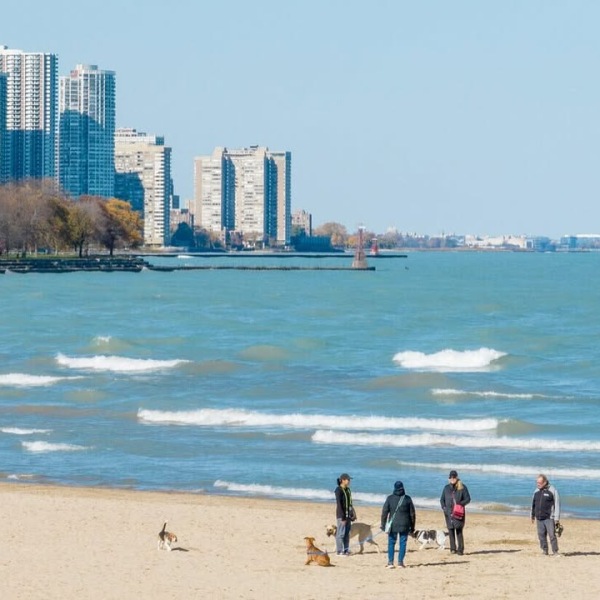
- Chicago Park District: Montrose Beach and the lakefront trail are the "backyards" for Uptown residents, offering free recreation all year round.
- Libraries: The Bezazian and Uptown branches of the Chicago Public Library provide vital community hubs for internet access and learning.
For those relying on public transit, the Apartments Near CTA Guide is an excellent resource for finding the most convenient spots to live.
Unit Features and Utilities
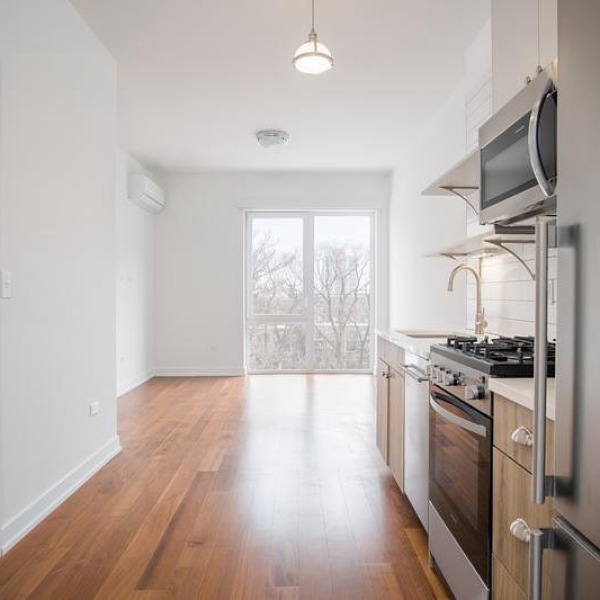
In Uptown, we see a mix of historic buildings and modern updates. Many program-based units are Studios in Chicago or one-bedroom apartments, which are perfect for individuals or couples.
When moving into chicago low income apartments, it's important to understand your utility responsibilities. While some properties include water and heat in the rent, residents are often responsible for their own electric bills. Always ask for a breakdown of what is included before signing a lease so you can plan your monthly expenses accurately.
Frequently Asked Questions about Chicago Housing
What are the typical wait times for housing assistance?
Wait times vary significantly by the type of housing and the specific property. For senior-specific housing (ages 55+ or 62+), we often see wait times between 1 and 3 years. However, for general family-sized units in popular neighborhoods like Uptown, wait times can exceed 10 or even 25 years for certain high-demand buildings. It is always best to apply to multiple lists to increase your chances.
How do I apply for a Housing Choice Voucher?
The Housing Choice Voucher (Section 8) waitlist is not always open. You must monitor the Chicago Housing Authority (CHA) website for "Waitlist Openings." When the list opens, you submit an application online. Because thousands of people usually apply, the CHA often uses a lottery system to decide who gets a spot on the waitlist.
Are there specific requirements for residents in Uptown?
Yes. Beyond the standard income limits based on the Area Median Income (AMI), residents must pass background checks and meet any property-specific rules. In Uptown, because many buildings are historic or have specific management policies, you may also encounter rules regarding pets (usually limited to two) and strict smoke-free building policies.
Conclusion
Finding chicago low income apartments in a neighborhood as desirable as Uptown takes time and persistence, but the reward is a home in one of the city's most diverse and culturally rich communities. Whether you are looking for a modern studio or a cozy one-bedroom, the resources provided by the CHA, HACC, and the city's Department of Housing are there to help you find a stable place to live.
At The Winnie Apartments by FLATS®, we are proud to be part of the Uptown community. We offer modern studio and one-bedroom apartments that emphasize comfort and community living. While we provide a luxury-inspired experience, we encourage everyone looking for housing in the area to explore all the resources available to them.
If you are ready to start your journey toward finding a new home in the North Side, start by searching for Apartments Low Income Near Me and getting your name on those waitlists today. Your future in Uptown is waiting!