


Subsidized Housing Programs and Low Income Housing Chicago Illinois
Finding low income housing in Chicago, Illinois can feel like a massive challenge. With long waiting lists and complex rules, securing a stable place to live requires knowing exactly where to look and how the system works.
Here is the quick answer to how you can find and secure housing assistance in the city:
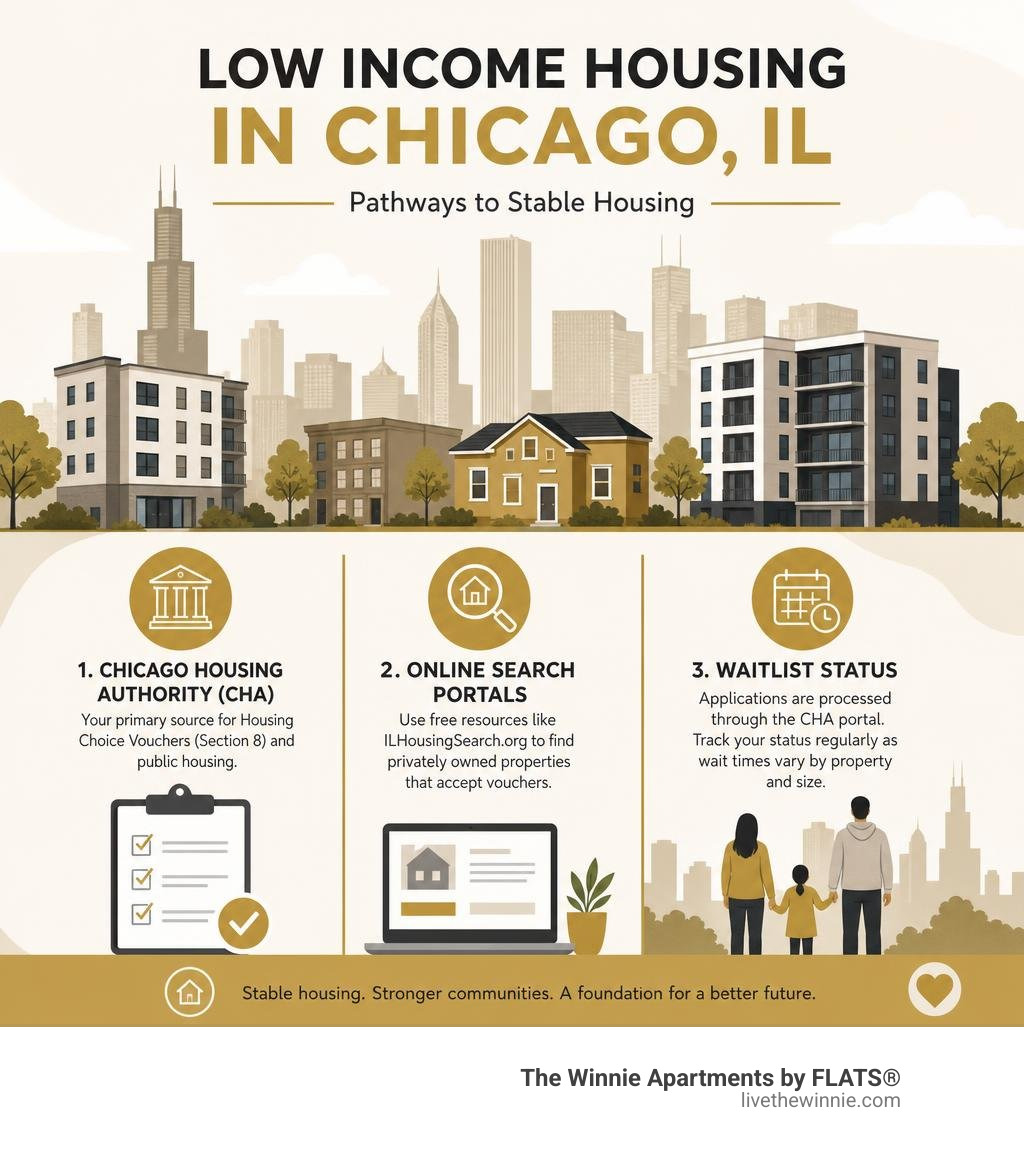
- Chicago Housing Authority (CHA): The primary gateway for Housing Choice Vouchers (Section 8) and public housing properties.
- Online Search Portals: Utilize free resources like ILHousingSearch.org to find active, privately owned properties that accept vouchers.
- Waitlist Status: Applications are processed through the CHA portal, where you must track your status regularly as wait times vary greatly by property and size.
An estimated 135,000 residents across all 77 Chicago community areas rely on these programs to secure stable housing. Understanding the different program types is the first step toward finding your next home. As the second-largest public housing agency in the United States, the CHA plays a pivotal role in local housing infrastructure, managing a diverse portfolio of properties and administering thousands of active vouchers to help families establish roots in vibrant neighborhoods.
When navigating the landscape of housing assistance, we must first understand the primary programs administered by the Chicago Housing Authority (CHA). These programs are designed to assist eligible households in securing stable, quality living environments. By partnering with private landlords and maintaining dedicated public developments, the CHA aims to foster diverse, inclusive communities across the city.
The most common pathways include:
- Housing Choice Vouchers (Section 8): This tenant-based voucher program allows participants to find their own housing in the private market. The voucher stays with the tenant, meaning if you move, the assistance moves with you. This flexibility allows families to choose neighborhoods that best fit their employment, education, and lifestyle needs. If you are ready to take this step, you can learn how to Apply for Section 8 to begin your journey.
- Project-Based Vouchers (PBV): Unlike tenant-based vouchers, project-based vouchers are tied directly to specific properties. The assistance remains with the physical unit. If a tenant moves out, they do not take the voucher with them. These units are often located in newly renovated or newly constructed developments, offering modern living spaces. You can explore these opportunities via the official Property List | Chicago Housing Authority .
- Public Housing: CHA owns and manages dedicated residential developments across the city. These properties range from high-rise buildings designated for seniors to low-density townhomes for families. These communities often feature on-site supportive services to enhance the resident experience. To view the complete directory of these locations, you can consult the Property List | Chicago Housing Authority .
Each program has unique application tracks and waitlists, making it essential to research which model aligns best with your household's long-term housing goals.
Eligibility Requirements for Chicago Housing Assistance

Securing placement in government-assisted housing programs requires meeting strict federal and local criteria. Eligibility is primarily determined by annual gross income, household size, and background screenings. Understanding these benchmarks beforehand can help applicants prepare their documentation and streamline the verification process.
Income Limits and Household Size
Eligibility is heavily tied to the Area Median Income (AMI) for Cook County, which is updated annually by the federal government. Programs typically target households categorized as extremely low-income (30% of AMI) or very low-income (50% of AMI). Because these limits adjust based on the number of people in the household, a larger family will have a higher income threshold than a single applicant. The number of bedrooms a household qualifies for depends directly on the number of occupants, ensuring that there is adequate space without overcrowding. For those with smaller households, looking into Apartments for Small Families can help clarify how occupancy standards are applied.
Background Checks and Screening
Most housing programs require comprehensive background checks. This process evaluates criminal history, eviction records, and credit history. Housing providers conduct these screenings to ensure the safety and stability of their properties. While a past conviction or poor credit score does not automatically disqualify an applicant, housing authorities and private landlords look for patterns that might impact the safety or financial stability of the residential community. Applicants often have the opportunity to present mitigating circumstances, such as proof of steady employment, letters of recommendation, or completion of rehabilitation programs, to support their application.
Work Requirements
Certain public housing and project-based voucher properties in Chicago enforce specific work requirements to encourage economic independence. For example, historic developments like Trumbull Park Homes | Chicago Housing Authority require residents to complete a set number of work hours per week. Similarly, redeveloped communities such as the historic Lathrop | Chicago Housing Authority development—which continues its major multi-phase rehabilitation efforts through the end of 2026—require a minimum of 30 hours of work per week for non-exempt adult household members. These requirements can often be met through a combination of traditional employment, active participation in job training programs, or enrollment in higher education.
Navigating the Application Process and Waitlists

Applying for housing assistance in Chicago requires patience, organization, and digital literacy. Because demand far exceeds supply, waitlists are the primary hurdle for most applicants. Navigating this system successfully requires a proactive approach and a clear understanding of how to leverage available digital tools.
Finding Available Low Income Housing Chicago Illinois Units
To find active listings, applicants should utilize online search tools and official resource directories. The City of Chicago maintains an active Rental Housing Resource List - City of Chicago to help residents identify participating housing developments.
For those focusing their search on specific, vibrant neighborhoods, exploring Low Income Apartments for Rent in Uptown Chicago is a highly recommended strategy. Uptown offers excellent transit access, cultural diversity, and strong community resources, making it a highly desirable area for residents seeking long-term stability.
Additionally, online tools can help streamline your search:
- Use a dedicated Section 8 Apartment Search engine to filter properties that actively accept vouchers.
- Research general listings for Subsidized Housing Chicago Illinois to understand neighborhood-specific trends.
- Browse regional directories for Chicago Low Income Apartments to compare wait times and property styles.
- For older adults, specialized resources like HUD Senior Housing Chicago provide targeted directories for age-restricted subsidized communities.
- Single individuals can check options under Housing for Singles to find studios and one-bedroom units suited for solo households.
Managing Waitlists for Low Income Housing Chicago Illinois Properties
Once you submit an application through the CHA online portal, you must actively manage your account. This involves logging in periodically to verify that your contact information is correct. If you change your phone number, email address, or mailing address, you must update your profile immediately. Failure to respond to waitlist update requests or confirmation letters within the specified timeframe can result in your application being removed from the system entirely.
Wait times in Chicago are notoriously long. For instance, at some high-demand family properties, the estimated wait time for eligibility screening can exceed 25 years for specific bedroom sizes. Because of these extreme timelines, many applicants continuously search for immediate openings by looking up Apartments Low Income Near Me to find newer developments or properties with open waitlists. Keeping your documents—such as birth certificates, social security cards, and income verification—organized and ready can make a significant difference when your name is finally selected.
Frequently Asked Questions about Chicago Housing Programs
What are the work requirements for subsidized housing in Chicago?
Work requirements vary depending on the specific property and housing program. While standard Housing Choice Vouchers generally do not mandate employment, many project-based voucher and public housing developments do. For example, properties like Oakwood Shores (Phase 3-1 PBV) | Chicago Housing Authority require adult household members to work at least 20 hours per week unless they qualify for an exemption (such as being elderly, disabled, or a full-time student). Compliance is typically reviewed during the annual recertification process. If a resident experiences a job loss, housing providers often offer a temporary grace period or connect residents with employment services to help them regain compliance.
How long are the wait times for public housing properties?
Wait times depend heavily on the property location, community demand, and bedroom size. For highly sought-after multi-bedroom units, wait times of 10 to 25 years are common. However, certain applicants may qualify for preference points—such as veterans, individuals experiencing homelessness, or victims of domestic violence—which can expedite their placement on the list. It is crucial to check the estimated wait times listed on the CHA portal before selecting preferred properties on your application to set realistic expectations.
What utilities are typically covered in subsidized units?
Utility responsibilities depend on the specific building's management structure. In some traditional public housing properties, all basic utilities (gas, water, and electricity) are fully covered by the property management. In contrast, mixed-income developments like Roosevelt Square (Project Based Voucher) | Chicago Housing Authority cover gas and water, while requiring residents to establish and pay for their own electric service. In cases where tenants must pay for their own utilities, the housing authority often provides a utility allowance, which reduces the tenant's monthly rent portion to help offset these utility expenses.
Conclusion
Navigating the landscape of housing assistance in Chicago requires diligence, but finding the right community makes the effort worthwhile. For those seeking modern, comfortable living in one of Chicago’s most historic and culturally rich neighborhoods, Uptown Chicago stands out as an exceptional place to call home. With its rich musical history, diverse culinary scene, and beautiful lakefront access, the neighborhood offers a unique and welcoming environment for all residents.
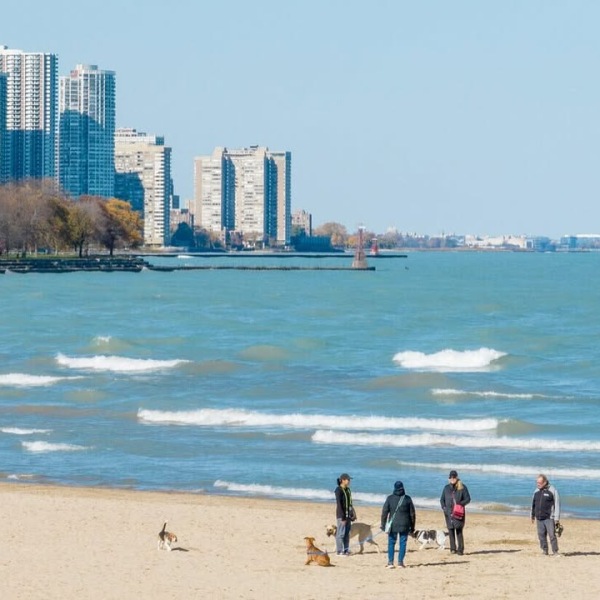
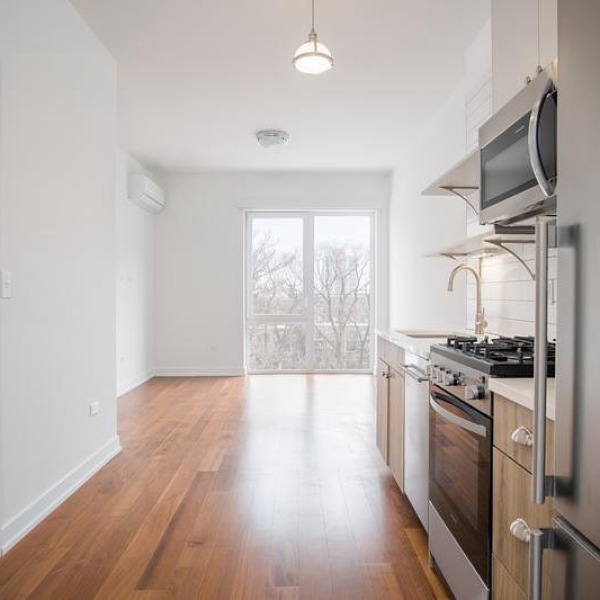
At The Winnie Apartments by FLATS®, we offer modern studio and one-bedroom apartments in Uptown Chicago that combine contemporary style with neighborhood convenience. Designed to foster a sense of community, our apartments provide easy access to local transit options like the CTA Red Line, beautiful lakefront parks such as Montrose Beach, and vibrant local dining. We are also proud to offer a welcoming, pet-friendly environment that accommodates up to two pets per apartment, ensuring your companions can enjoy your new home right alongside you.
If you are currently searching for your next apartment and want to explore your options in Uptown, check out our resources on Apartments Low Income Near Me or contact our leasing team today to learn more about our available homes and application requirements.