


Discover Uptown Chicago's Best Attractions
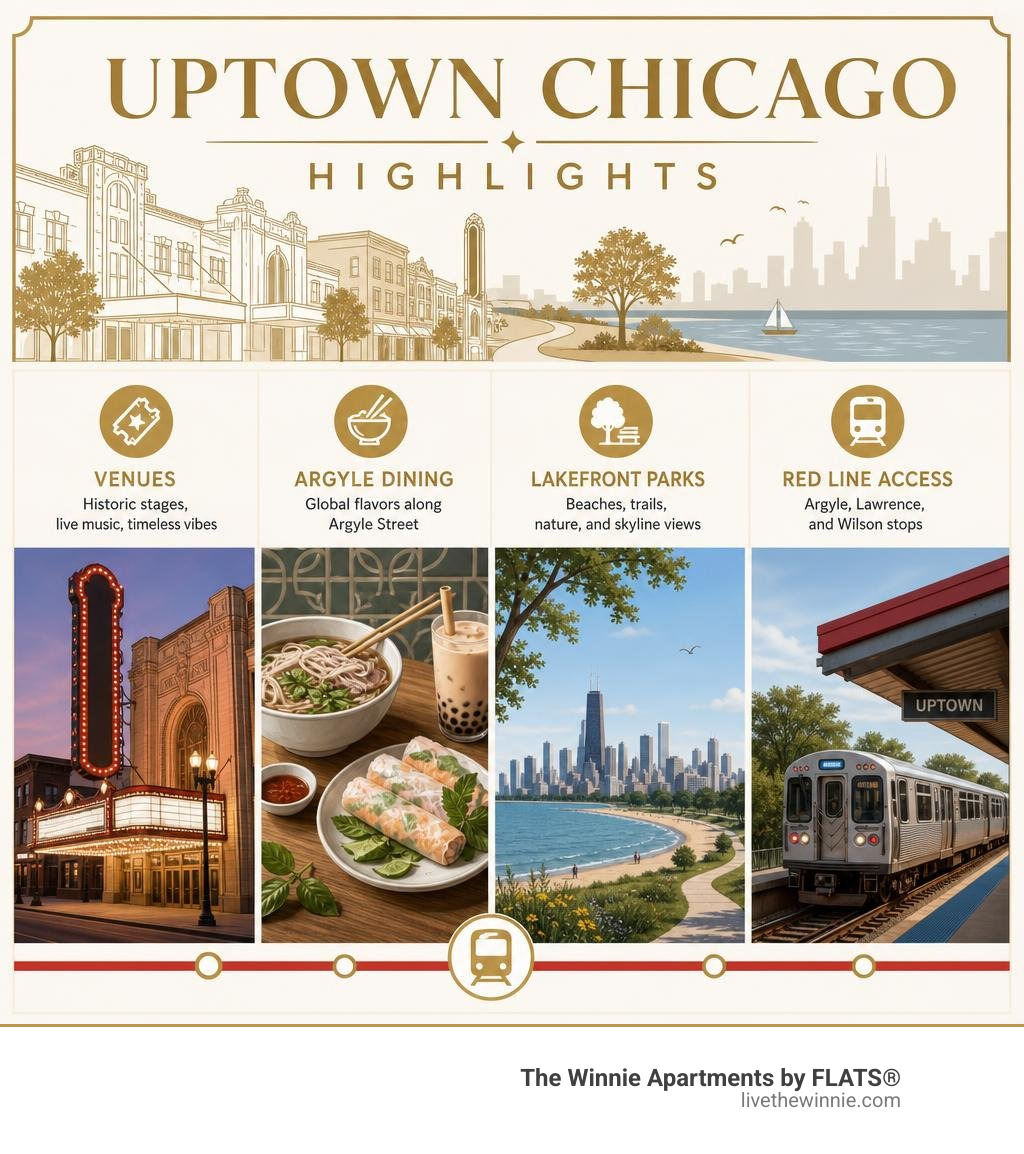
Uptown Chicago is a lakefront neighborhood known for historic music venues, global dining, beaches, and easy access to the CTA Red Line. It sits about six miles north of downtown and brings together lively entertainment streets, the Asia on Argyle dining corridor, and Lake Michigan recreation.
For a quick guide to what to explore, start here:
- Live music and nightlife: See a show at the Aragon Ballroom or Riviera Theatre, hear jazz at the Green Mill, or explore Uptown Square's historic theater district.
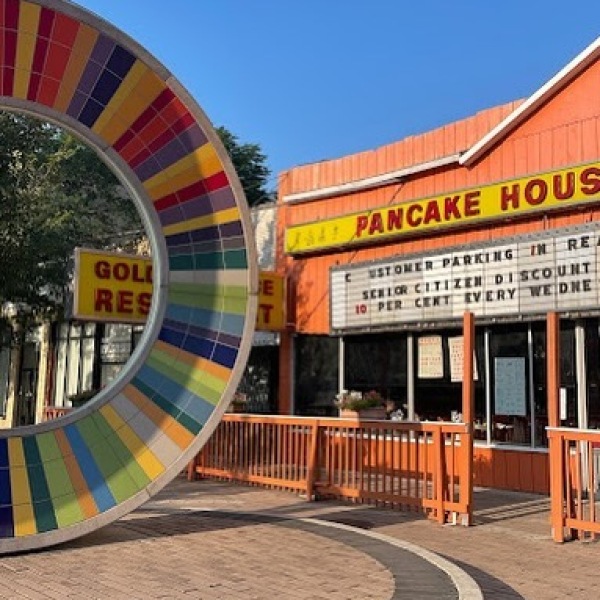
- Food and culture: Walk Argyle Street for Vietnamese, Chinese, Thai, and other Asian restaurants, then branch out to Ethiopian and Mexican dining nearby.
- Lakefront recreation: Spend time at Montrose Beach, Montrose Point Bird Sanctuary, and the lakefront paths.
- Neighborhood character: Explore distinct areas including Asia on Argyle, Buena Park, Sheridan Park, Margate Park, and Uptown Square.
- Getting around: The Red Line's Argyle, Lawrence, and Wilson stations make Uptown simple to reach without a car.
Once a major entertainment center outside the Loop, Uptown still carries that creative energy. Its landmark venues, immigrant-owned businesses, historic streetscapes, and waterfront parks make it a neighborhood with plenty to see in one visit - or many.
The Historic Evolution and Demographics of Uptown Chicago
The story of Uptown, Chicago is tied to the city's broader economic, cultural, and architectural growth. Originally developed as a summer retreat for downtown Chicago residents around the turn of the 20th century, the extension of the Northwestern Elevated Railroad to Wilson Avenue in 1900 rapidly transformed the area into a dense commercial hub.
During the 1910s and 1920s, Uptown evolved into the film and entertainment capital of the Midwest. Essanay Studios, located on Argyle Street, became a national powerhouse in early silent movie production, housing icons like Charlie Chaplin and Gloria Swanson. This cinematic boom fueled a wave of development, giving rise to grand movie palaces, ornate dance halls, and luxury residential hotels.
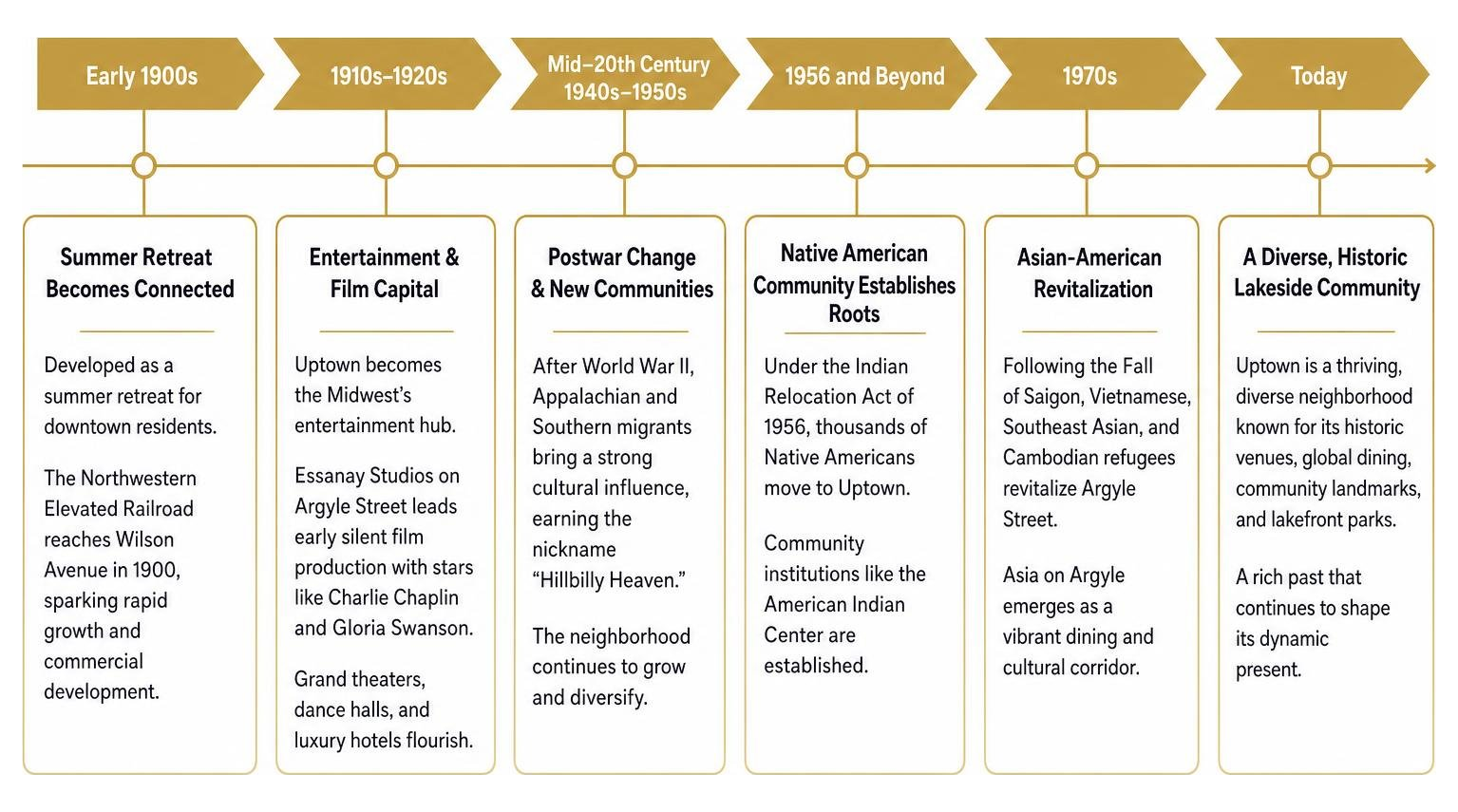
In the mid-20th century, the neighborhood underwent profound socio-economic shifts. Following World War II, a significant influx of Appalachian and Southern migrants established a vibrant cultural presence that earned the community the informal nickname "Hillbilly Heaven." Concurrently, under federal programs like the Indian Relocation Act of 1956, thousands of Native Americans settled in the area, establishing long-standing community spaces such as the American Indian Center.
Diversity deepened further in the 1970s following the Fall of Saigon, as Vietnamese, Southeast Asian, and Cambodian refugees revitalized the Argyle Street commercial district into a thriving Asian-American hub. The neighborhood's history also reflects dedicated community preservation, evidenced by block landmarks like the Winthrop Family Historical Garden, which honors the tight-knit African American community that settled on North Winthrop Avenue during the early 20th century.
Demographic Profile and Residential Trends in Uptown Chicago
Covering 2.33 square miles along the North Side lakefront, the Uptown Chicago Neighborhood maintains a dynamic population density of approximately 24,200 residents per square mile, with a total community population of 56,344.
The neighborhood's demographic profile reflects a rich multicultural tapestry: 52.0% White, 19.0% Black, 14.1% Hispanic, 10.3% Asian, and 4.5% identifying with other backgrounds. High levels of educational attainment characterize the population, with 92.7% holding a high school diploma or higher and 60.8% possessing a bachelor's degree or advanced degree. Additionally, 71% of residents rent their homes, creating an active renter-centric community supported by historical vintage courtyard buildings, high-rise residential towers, and newly constructed apartments.
Sub-Neighborhoods and Culinary Cultural Experiences
Uptown is composed of several micro-neighborhoods, each presenting its own architectural character, commercial offerings, and residential environment. As noted by the About Uptown - Uptown Chamber of Commerce guide, these sub-districts create a cohesive yet varied urban experience.
Distinct Sub-Neighborhoods Across Uptown Chicago
To navigate the community efficiently, it helps to understand how these distinct pockets map out across the district using a Chicago Uptown Neighborhood Map:
- Argyle Street (Asia on Argyle / Little Saigon): Concentrated around West Argyle Street and Broadway, this enclave features Southeast Asian grocery markets, bakeries, pho shops, and dim sum spots. Its shared-street streetscape design prioritizes pedestrian traffic and community festivals.
- Buena Park: Situated along the southern edge of Uptown near Irving Park Road and Montrose Avenue, Buena Park is a residential sanctuary. It contains tree-lined avenues, vintage courtyard buildings, and the Hutchinson Street Historic District, which holds a collection of Prairie-style residential architecture designed by George W. Maher.
- Sheridan Park: Located between Clark Street, Broadway, Montrose, and Lawrence, Sheridan Park was designated an official historic district in 1985. It is known for its quiet residential blocks, single-family homes, classic six-flats, and Dover Street historic landmarks.
- Margate Park & Clarendon Park: Bordering Lake Michigan and Lincoln Park, these eastern pockets are dominated by high-rise residential options, park fieldhouses, green spaces, and quick access to lakefront bike paths.
- Uptown Square: The historic commercial core surrounding Lawrence Avenue and Broadway, anchored by grand 1920s entertainment infrastructure, retail venues, and direct CTA transit connections.
Global Dining and Local Food Scene
Uptown stands out as one of the city's premier dining destinations, bringing together authentic flavors from around the globe. Those seeking the Best Restaurants in Uptown Chicago will find exceptional options within walking distance:
- Asia on Argyle Specialties: Sun Wah BBQ is renowned for its off-menu multi-course Beijing duck dinner, while local favorites like Pho Viet, Cafe Hoang, and Hai Yen serve authentic banh mi, bubble tea, and comforting bowls of beef pho.
- Ethiopian Excellence: Demera Ethiopian Restaurant near Broadway and Lawrence offers rich dining centered around injera bread, doro wat, and seasoned vegetable platters.
- Regional Mexican & Caribbean Flavors: Establishments like Kie-Gol-Lanee bring traditional Oaxacan cooking to the community, while local rum bars and cafes round out the neighborhood's culinary offerings.
- Argyle Night Market: Held weekly on Thursday evenings during July and August, this popular street festival showcases local food vendors, artisan goods, live cultural dance performances, and community activities.
Music, Nightlife, and Iconic Entertainment Venues
Uptown's reputation as a regional entertainment powerhouse was forged during the Prohibition era of the 1920s and 1930s. As highlighted by Uptown - Chicago Neighborhoods | Choose Chicago, the neighborhood boasts historic venues clustered closely together, allowing music fans to experience world-class live shows across a range of genres.
Historic Venues and Nightlife in Uptown Chicago
Whether attending a major concert or sinking into a cozy jazz booth, exploring the Uptown Chicago Nightlife reveals decades of living history:
- The Green Mill Cocktail Lounge: Operating for over a century, this legendary jazz club famously served as a hangout for mobster Al Capone, who maintained a regular booth positioned to view both front and rear exits. Beyond mob history, the venue holds cultural prestige as the birthplace of the modern Poetry Slam movement, initiated by Marc Smith.
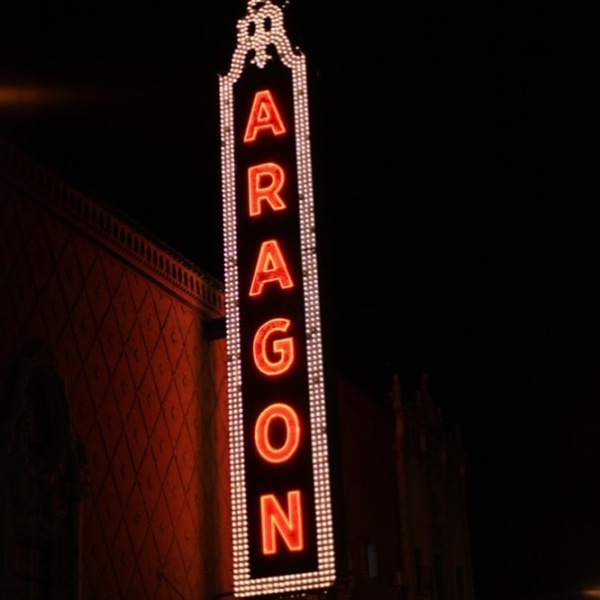
- Aragon Ballroom: Constructed in 1926 with a spectacular Spanish Village interior and painted starry ceiling, the venue hosted big bands during the swing era and today serves as a top concert hall for international touring acts.
- Riviera Theatre: Originally built as a lavish movie palace in 1917, the "Riv" has evolved into one of the city's signature mid-sized concert venues, hosting rock, indie, and electronic artists.
- The Baton Show Lounge: An entertainment institution operating for over 50 years, showcasing drag performances and revue shows.
- Carol's Pub: A classic neighborhood honky-tonk venue known for live country music and late-night gatherings.
- Uptown Theatre: Designed by famous architects Rapp and Rapp with nearly 4,500 seats, this massive movie palace anchors Uptown Square, representing a grand architectural treasure awaiting restoration.
Outdoor Recreation, Lakefront Parks, and Annual Events
Beyond its urban entertainment corridors, Uptown provides extensive access to green spaces and public recreation along Lake Michigan. When looking for outdoor Things to Do in Uptown, residents and visitors can take advantage of expansive parkland and community facilities:
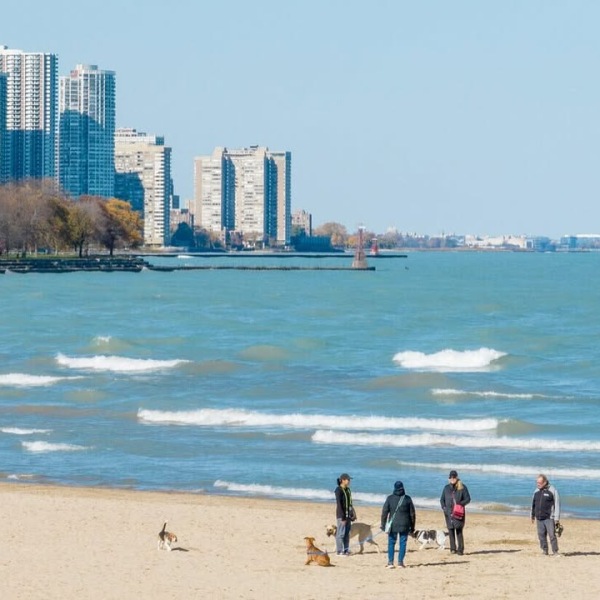
- Montrose Beach and Harbor: A massive lakefront strand offering sand volleyball, kayak rentals, open waters for swimming, and scenic views of the downtown skyline.
- Montrose Dog Beach: A designated off-leash area on the northern edge of Montrose Beach where dogs can run freely and play in the water.
- Montrose Point Bird Sanctuary: A peaceful nature area that has documented over 340 migratory bird species, featuring a prairie landscape known locally as "The Magic Hedge."
- Wilson Skate Park & Fieldhouses: Public recreation facilities that include concrete skate bowls, sports fields, tennis courts, and model railroad club layouts at Clarendon Park.
- Graceland Cemetery: Situated on the neighborhood's western edge, this Victorian-era landscape cemetery serves as an open-air architectural museum holding the resting places of legendary Chicagoans, including Louis Sullivan, Daniel Burnham, and Marshall Field.
Navigating Uptown: Transportation and Safety Guide
Uptown is widely recognized as one of the most transit-accessible neighborhoods on the North Side, making car-free commutes straightforward:
- CTA Red Line: Three primary stations serve the community at Argyle, Lawrence, and Wilson. The Wilson station functions as a major multi-track transit hub, providing convenient rail access directly to the Loop and Evanston.
- CTA Bus Routes: Express and local bus routes line the major thoroughfares, including the #146 Inner Drive Express and #151 Sheridan routes connecting directly to downtown, along with cross-town service on the #81 Lawrence, #78 Montrose, and #80 Irving Park buses.
- Metra Rail: The Union Pacific North (UP-N) Metra line stops at nearby Ravenswood station along Uptown's western boundary, providing direct service to downtown Ogilvie Transportation Center and northern suburbs.
Understanding safety and neighborhood layout is important when exploring any urban area. Prospective visitors and residents evaluating Is the Uptown Neighborhood in Chicago Safe will find an active, highly populated lakefront area supported by local block clubs and commercial districts. Standard urban safety practices apply: stay aware of your surroundings, utilize well-lit corridors like Broadway or Argyle during late evening hours, and take advantage of standard transit connections.
Frequently Asked Questions About Uptown Chicago
What is Uptown Chicago famous for?
Uptown Chicago is famous for its Jazz Age entertainment heritage, restored Art Deco concert halls like the Aragon Ballroom and Riviera Theatre, historic nightlife spots like the Green Mill, authentic Southeast Asian dining along the Asia on Argyle corridor, and expansive lakefront access at Montrose Beach.
What are the main sub-neighborhoods in Uptown?
The primary sub-neighborhoods within Uptown include Asia on Argyle (Little Saigon), Buena Park, Sheridan Park, Margate Park, Clarendon Park, and the historic commercial core of Uptown Square.
How do you travel to Uptown via public transit?
Uptown is served by the CTA Red Line via the Argyle, Lawrence, and Wilson stations. Multiple CTA bus lines (#146, #151, #36, #81) traverse the neighborhood, and the Metra UP-N line operates at the nearby Ravenswood station.
Conclusion
Uptown Chicago stands out as a dynamic, historic, and vibrant community along Lake Michigan. From its days as a silent film center and Prohibition-era entertainment district to its modern identity filled with global cuisine, waterfront parks, and iconic live music venues, the neighborhood offers an exciting local lifestyle.
For those looking to settle down in the heart of this North Side community, we offer modern studio and one-bedroom apartments at The Winnie Apartments by FLATS®. Placing you within easy reach of transit lines, local venues, and lakefront recreation, our community provides comfortable homes designed for dynamic city living. Explore our current residential availability and discover your new home by browsing our guide to Uptown Chicago Apartments for Rent.